What Is the Best Base For a Parasol (Hint: Parasol Ground Anchor)

A sunny afternoon in your garden should be relaxing. But there is nothing more frustrating than a parasol that falls over or requires constant adjustment. A gust of wind can send your parasol rolling across the garden, dragging the heavy base along the ground.
On top of that, your drink spills everywhere. When that base tips over, it can shatter glass tables, damage cars, or even hurt someone. Nothing is worse than that. Now you want to know the best parasol base.
In this guide, I will share the best base for a parasol that is easy to install and will not give you the problems described above. Even better, it is removable, so you can change the parasol’s location according to the season. Without further ado, let’s find out!

What is the Best Parasol Base?
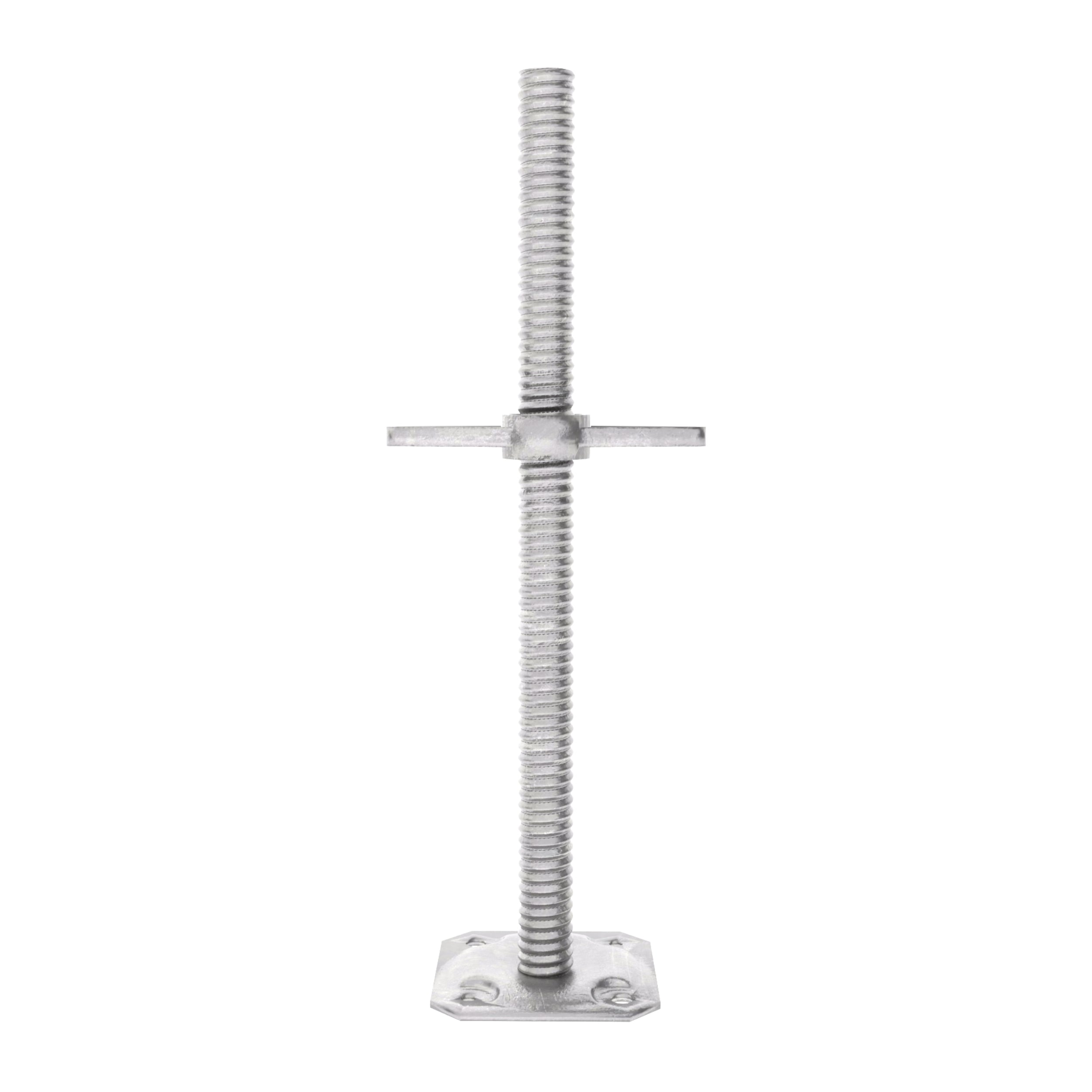
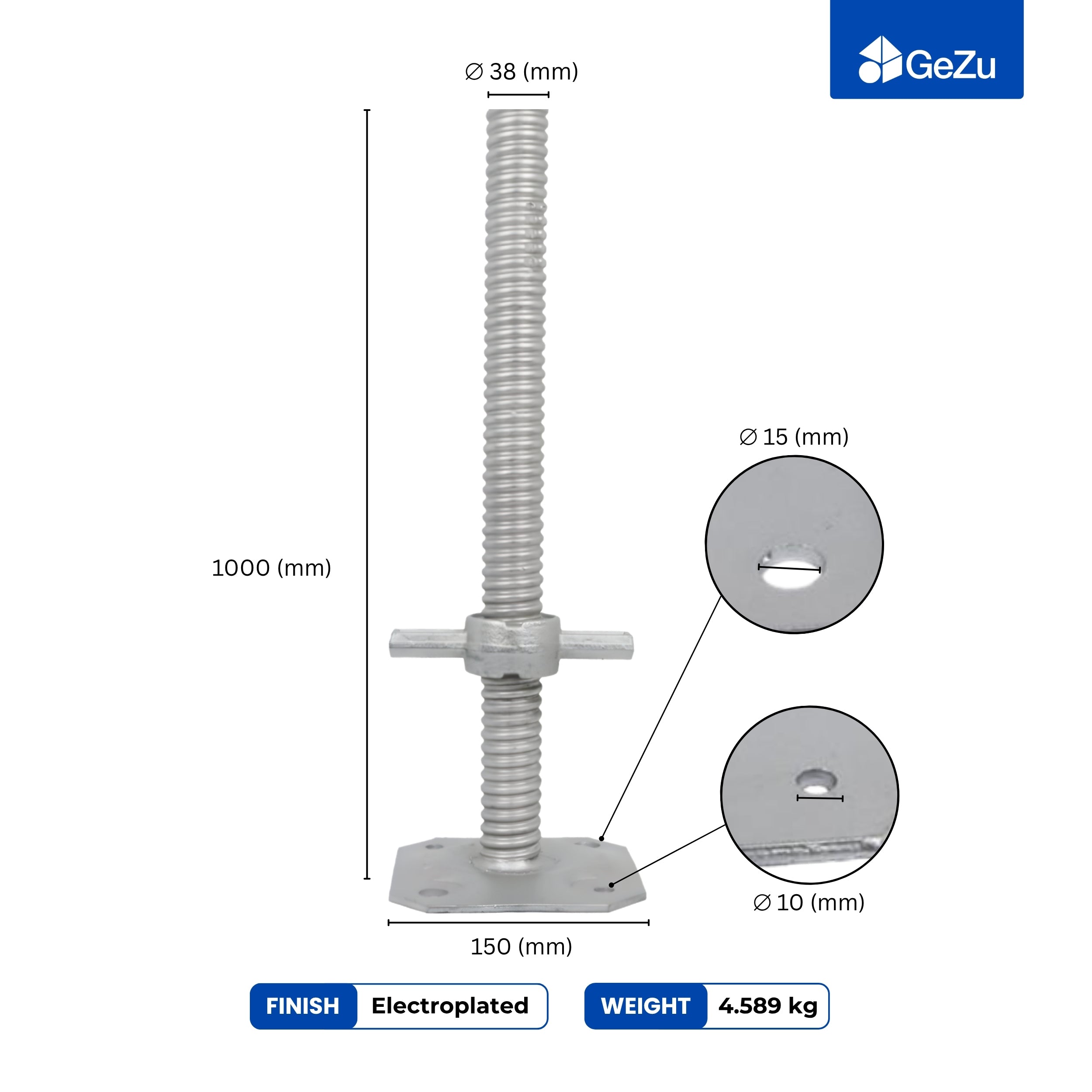
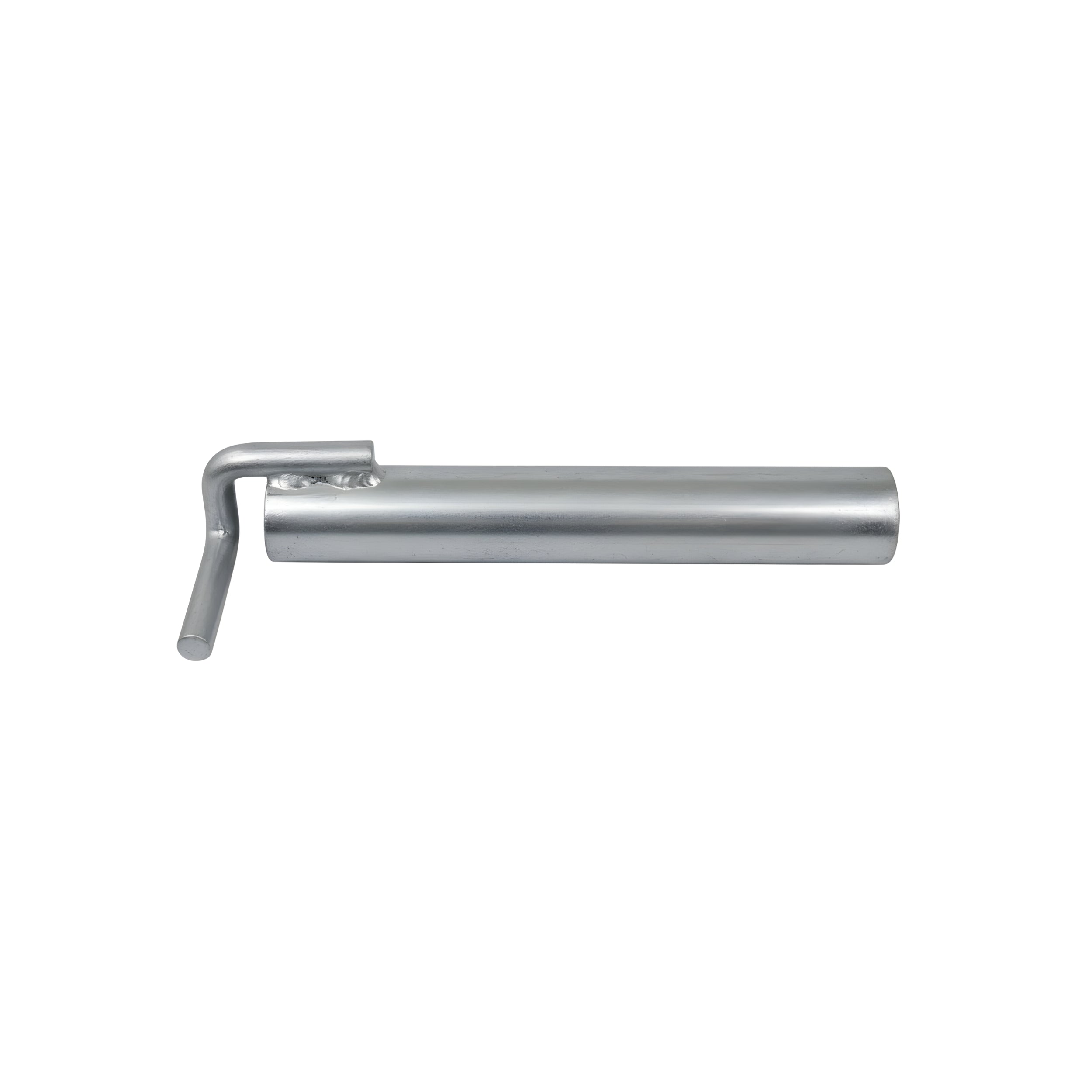
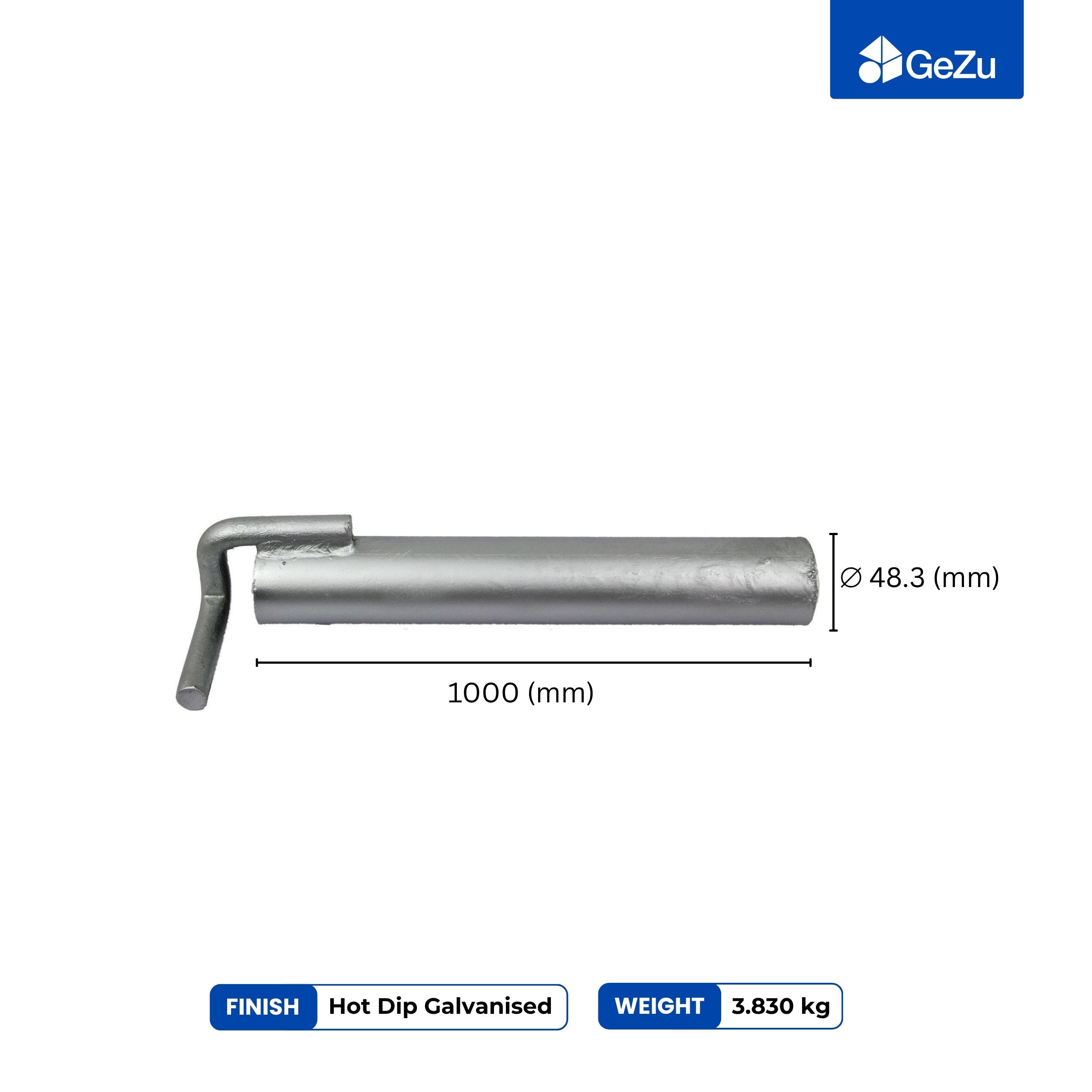
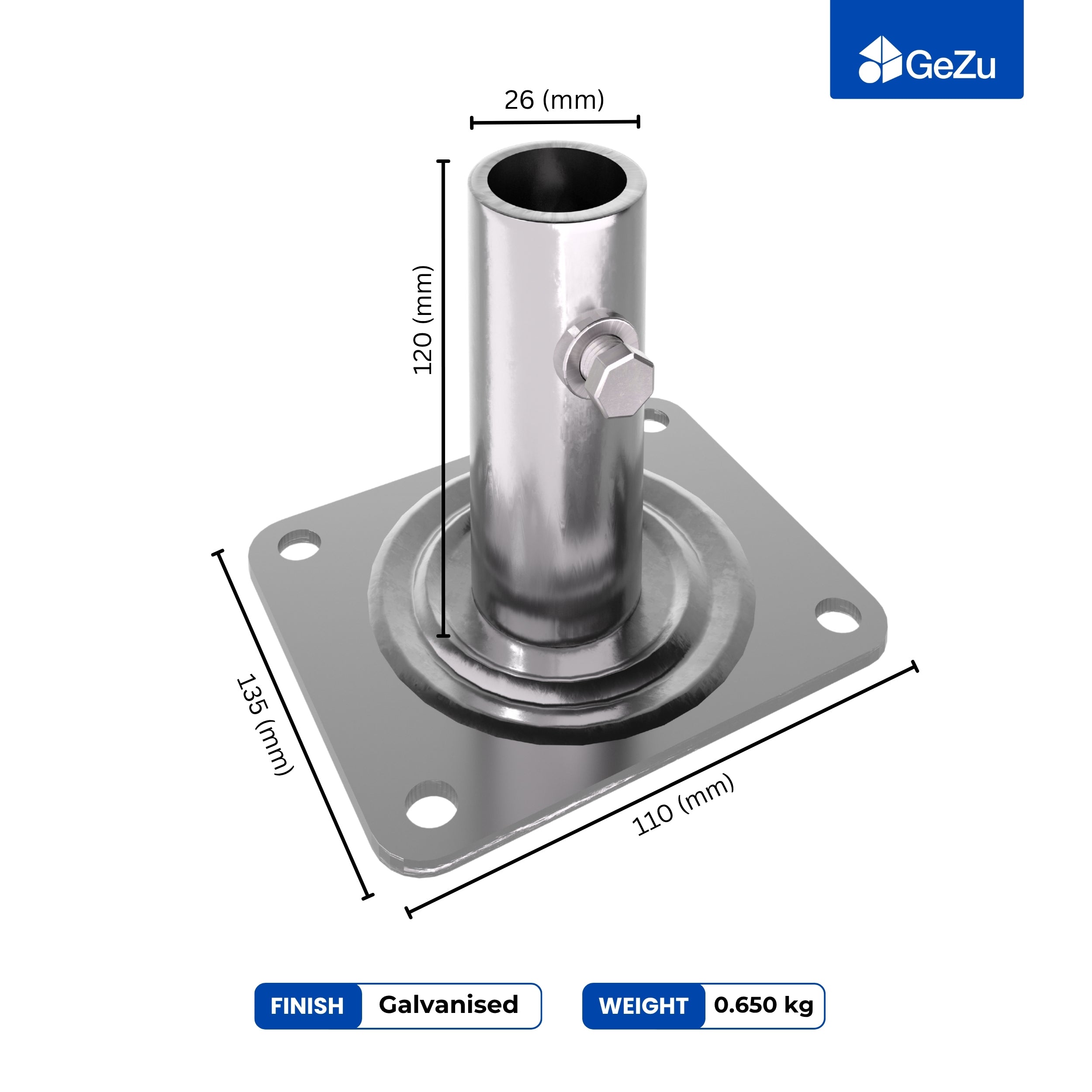
A parasol ground spike is the best base for a parasol. It is a metal tube that you can install either permanently or temporarily into the ground. Your umbrella pole slides into the sleeve whenever you want shade and can be removed when you don’t.
Parasol’s tube is usually 50 to 60 centimeters long and the diameter matches standard parasol poles; Ø 24 mm, 38 mm, 42 mm, 50 mm and 55 mm. It functions as an adaptor that allows you to fit poles of different diameters into the same ground mounting.
The best thing about the ground parasol is its versatility. You can swap parasols seasonally or replace a damaged one without touching the ground sleeve. You can use it for umbrella bases on relaxing days at the beach, as well as for rotary airers, rotary clothes dryers, garden parasols, clotheslines and flagpoles.

Why Umbrella Ground Anchor the Best Parasol Base?
The umbrella ground spike is the best parasol base for windy conditions for various reasons.
1. Strong Wind Resistance Through Earth Anchoring
Regular parasol bases rely on weight to stay stable, but even heavy bases can fall over in strong winds. This happens because wind pushes on the parasol canopy and that force increases as it moves down the tall pole, making the parasol easier to knock over.
But the in-ground parasol bases work in a much better way. Instead of sitting on the surface, they are anchored deep into the ground. This makes ground parasol holders stable even in strong winds. Because of ground anchoring, ground parasols can be used safely in windy and open areas. Your structure won’t blow away with strong gusts of wind.
2. Temporary or Seasonal Use
Screw-in ground spikes make changing parasols easy compared to heavy bases. The parasol pole simply slides in and out of the sleeve in seconds, without heavy lifting needed. This makes it much more flexible than weighted bases.
You can easily change the parasol position for different seasons, just as the sun changes its position in the sky. Apart from this, when shade is not needed, remove the parasol and fit the cap so the ground stays clear. When spring arrives, place the parasol back in and it’s ready to use right away.
And even better, you can use rotary ground spikes both for temporary setups and for permanent installations. For example, whether you need a parasol just for a weekend party or want a long-term shade solution, the same sleeve works perfectly.
3. Adjust to Different Parasol Pole Sizes
This is what makes ground sleeves so practical. They are flexible and can fit different parasol pole sizes, such as 24 mm, 38 mm, 42 mm, 50 mm and 55 mm. That means you can easily swap poles without having to change the sleeve.
For example, you might use a 38 mm pole for a small parasol, then later switch to a 55 mm pole for a larger parasol when you need more shade. The metal sleeve stays securely in the ground, so changing poles is quick and simple.
Unfortunately, you can’t do this with heavy-weight bases or parasols fixed in cement. Weighted bases only fit one size and are hard to move, while cemented parasols are permanent and cannot be swapped. With ground sleeves, you have the freedom to change parasol sizes for temporary or permanent setups.
4. Maximum Space Efficiency
Regular parasol bases take up a lot of space. Weighted bases sit in the middle of a table, which makes it hard to stretch your legs and can make the area look messy. Parasol screw-in ground sleeves solve this problem.
They are anchored in the ground, so they don’t take up any floor space. Nothing sticks out to get in the way, making it easy to move around or place tables and chairs. This is especially helpful in small gardens or patios where every bit of space matters.
Commercial properties benefit too. Restaurants and cafes can fit extra tables and chairs because parasol bases aren’t in the way, potentially increasing revenue. Besides, outdoor areas look cleaner. The parasol appears to rise from the ground, rather than sitting on a bulky base that draws attention.
5. Safe from Trips and Falls
Safety is a big concern with parasol bases, especially in busy outdoor areas. Heavy or decorative bases can create trip problems, making it easy for people to stumble while walking around gardens and other areas. The problem gets worse at night when it’s harder to see obstacles.
Screw in ground spike solves this problem completely. This is especially helpful for families with young children, who can run around safely without tripping. Elderly visitors can walk confidently, too. Restaurants and cafes also benefit, as removing trip hazards lowers accident risks and can help with insurance.

How to Install a Screw-In Parasol Ground Anchor?
A screw-in ground anchor for parasols is an easy way to keep your umbrella stable without heavy bases or concrete. Follow these steps and your parasol will install in minutes.
Step 1: Pick the Location
First, select a spot where the parasol will provide optimal shade without interfering with walkways, furniture, or doors. Ensure the ground is level and free from underground utilities, irrigation lines, or electrical cables. Choosing the right location at this stage will help prevent the need for future adjustments.
Step 2: Check Your Parasol Pole Size
Next, measure the diameter of your parasol pole and confirm that the parasol anchor is compatible with your umbrella size. Parasol poles come in different diameters, so it’s important to use the correct adapter. Fortunately, screw-in parasol anchors usually come with caps (adapters) for various pole sizes. Therefore, select the cap that fits your parasol pole.
Step 3: Screw the Anchor Into the Ground
After confirming compatibility, position the anchor at your chosen spot. Begin twisting it clockwise into the ground while applying light downward pressure. Continue turning until the anchor sits flush with the ground.
Step 4: Insert the Parasol
Once the anchor is secure, it’s time to insert the umbrella. Slide the parasol pole into the anchor. If your anchor includes screws, tighten them to hold the parasol in place. Double-check that the parasol is upright and stable before proceeding.
Step 5: Test and Enjoy
Finally, open the parasol and gently shake it to make sure it feels solid and secure. When not in use, place the cover cap on top of the anchor to keep out dirt and water. Now, sit back, relax and enjoy your shaded space!
Final Thought
Parasol ground anchors are the best base for parasols. They provide stability that weighted or decorative bases simply cannot match. Besides, they save space, last for decades and make seasonal parasol changes effortless.
Choosing the right parasol base makes all the difference between a relaxing outdoor space and a constant struggle with tipping umbrellas. Screw-in ground spike resists strong winds, accommodates different parasol pole sizes and frees up valuable space in gardens, patios and commercial areas.
By investing in a quality parasol base, you ensure your parasol stays secure, your space remains organized and your family or guests can enjoy shade safely. A smart base means relaxing outdoors without worrying about your umbrella tipping or falling.