Pipe connectors for handrail installers: 2026 guide

Pipe connectors for handrail installers are galvanised tube clamps that join standard-sized steel tube into a complete handrail run without welding. An installer does not sell pipe fittings — an installer sells a finished handrail, and the connector choice decides whether that handrail is bolted up in a morning or turned into a fabrication job.
- Wall mount handrail brackets are the core fitting for every wall-fixed run.
- Base flanges anchor posts to the ground or deck at the start and end of a run.
- 90° elbows and tees turn corners without cutting or welding tube.
- Standard tube sizes keep every fitting interchangeable across a 2026 install.
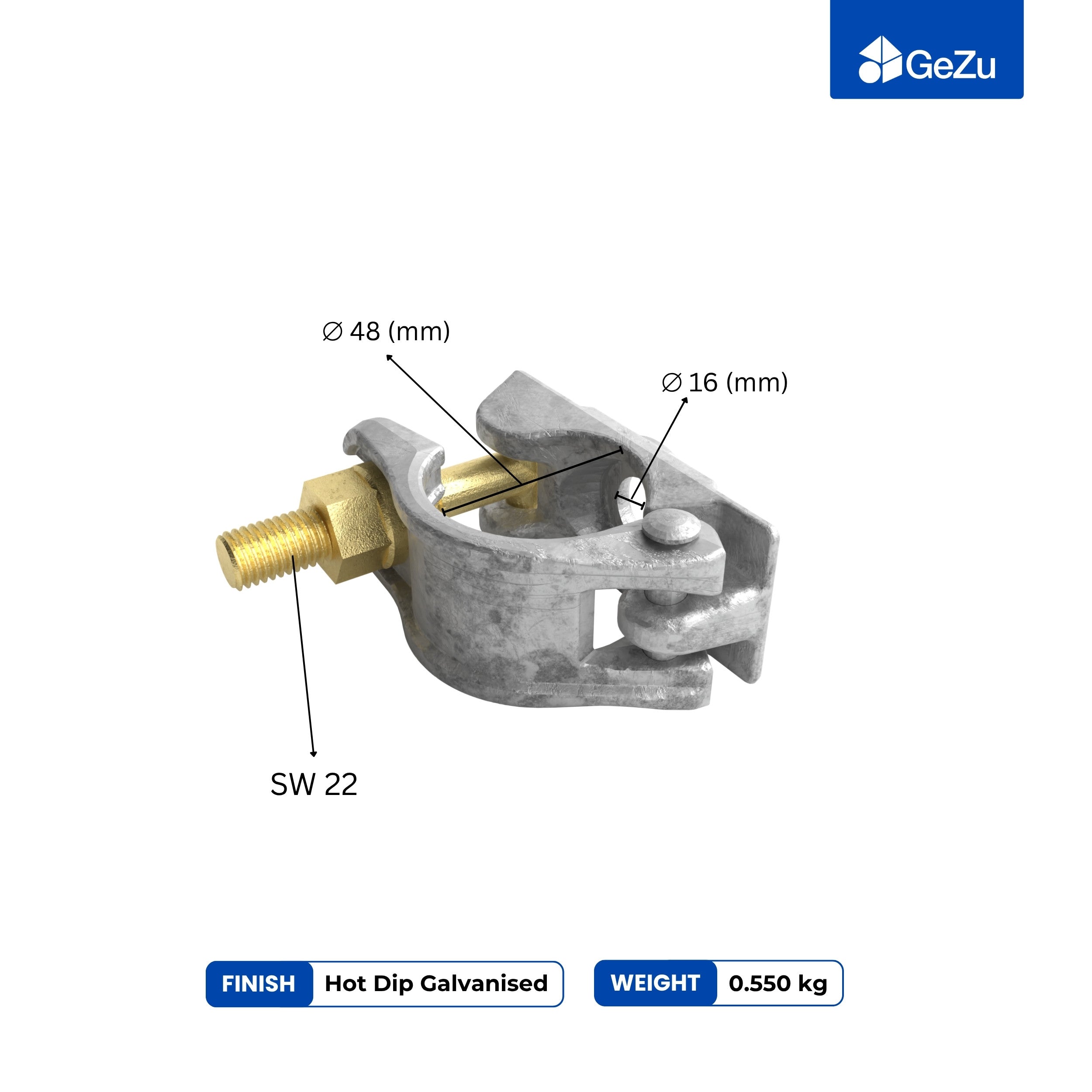
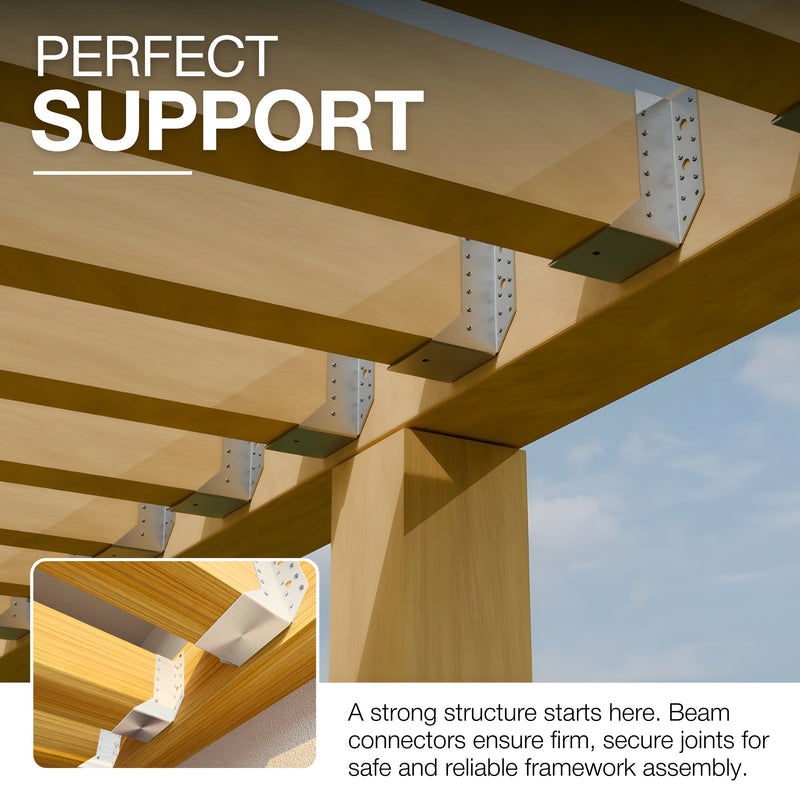
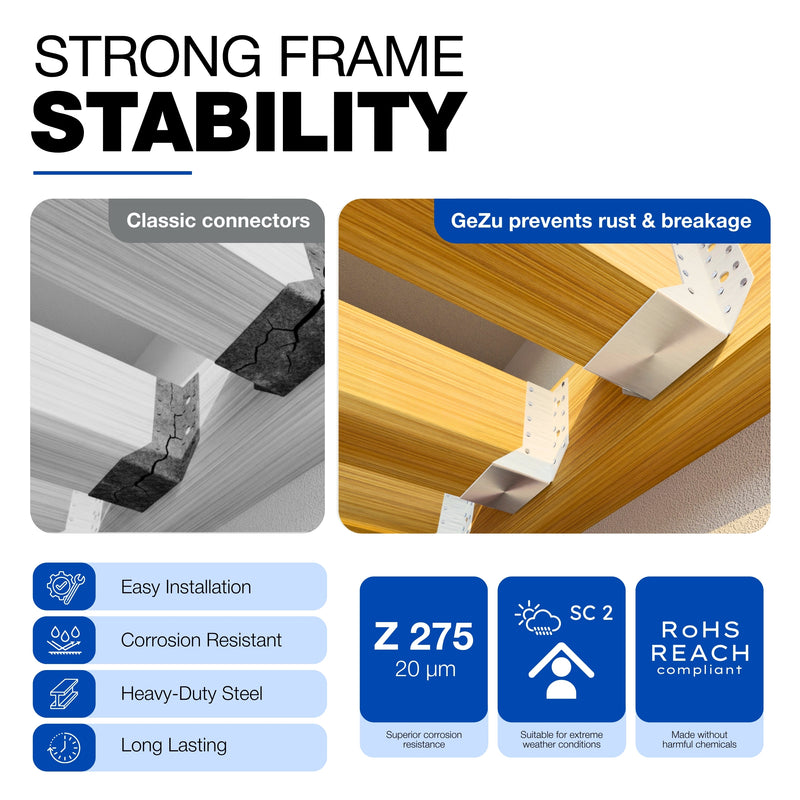
- GeZu Impex supplies galvanised tube clamps for welding-free handrail systems.
Why pipe connectors matter for handrail installers
A welded handrail needs a fabricator, a welding ticket, galvanising after welding and a schedule to match. A clamp-built handrail needs a tube stockist, a spanner and the same afternoon. That difference is the whole business case for pipe connectors in 2026:
- No hot work. Bolted fittings avoid welding permits, fire watches and post-weld galvanising on site rails.
- Adjustable by design. Swivel fittings absorb slope changes that would force a welder to re-cut.
- Repairable. A damaged section unbolts and swaps; a welded section gets cut out.
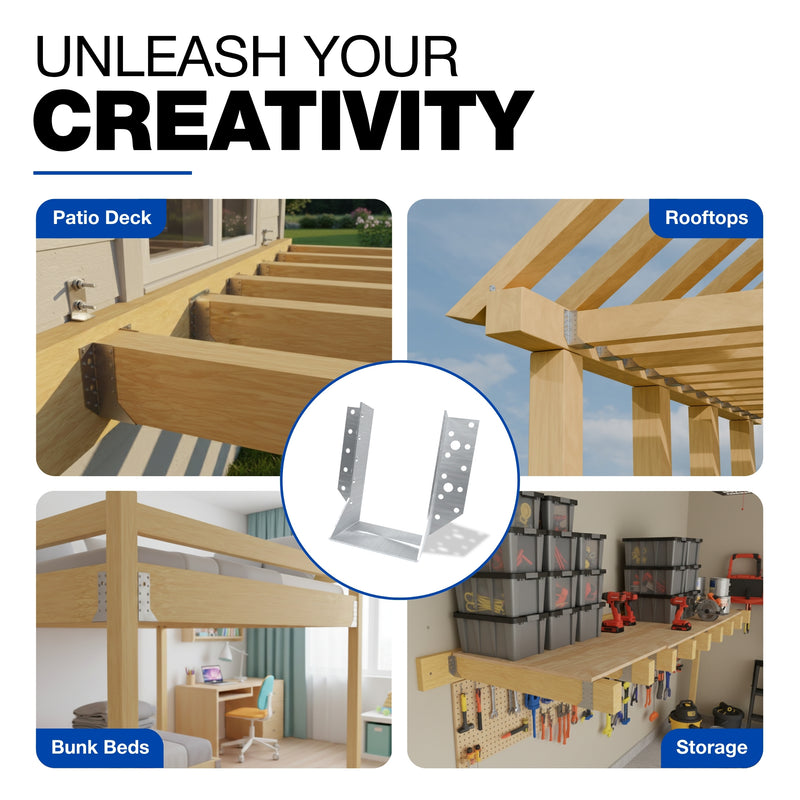
- One system, many jobs. The same fittings cover stairs, ramps, walkways and garden steps.
How to build a handrail run with tube clamps
1. Survey the run and mark fixing points
Walk the full route with a tape and a level before ordering anything. Note total run length, every change of direction, every change of slope, and where the rail attaches: wall-mounted back to a wall, or free-standing on posts.
- Mark wall fixing centres; handrail height is commonly set around 900–1000 mm above the walking surface in 2026.
- Record the tube size on site — most clamp systems run on standard tube diameters, and mixing sizes strands fittings.
- Check the wall material; solid masonry and stud walls need different anchors.
2. Choose wall mounts or free-standing posts
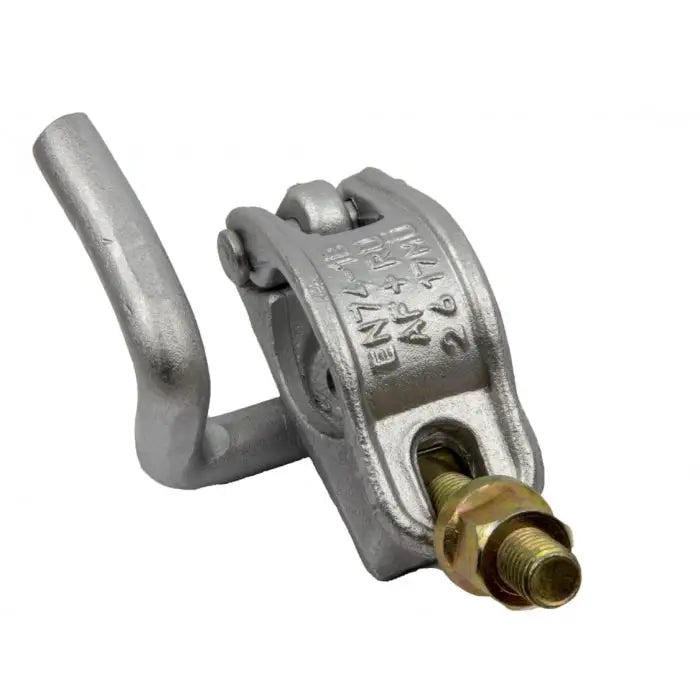
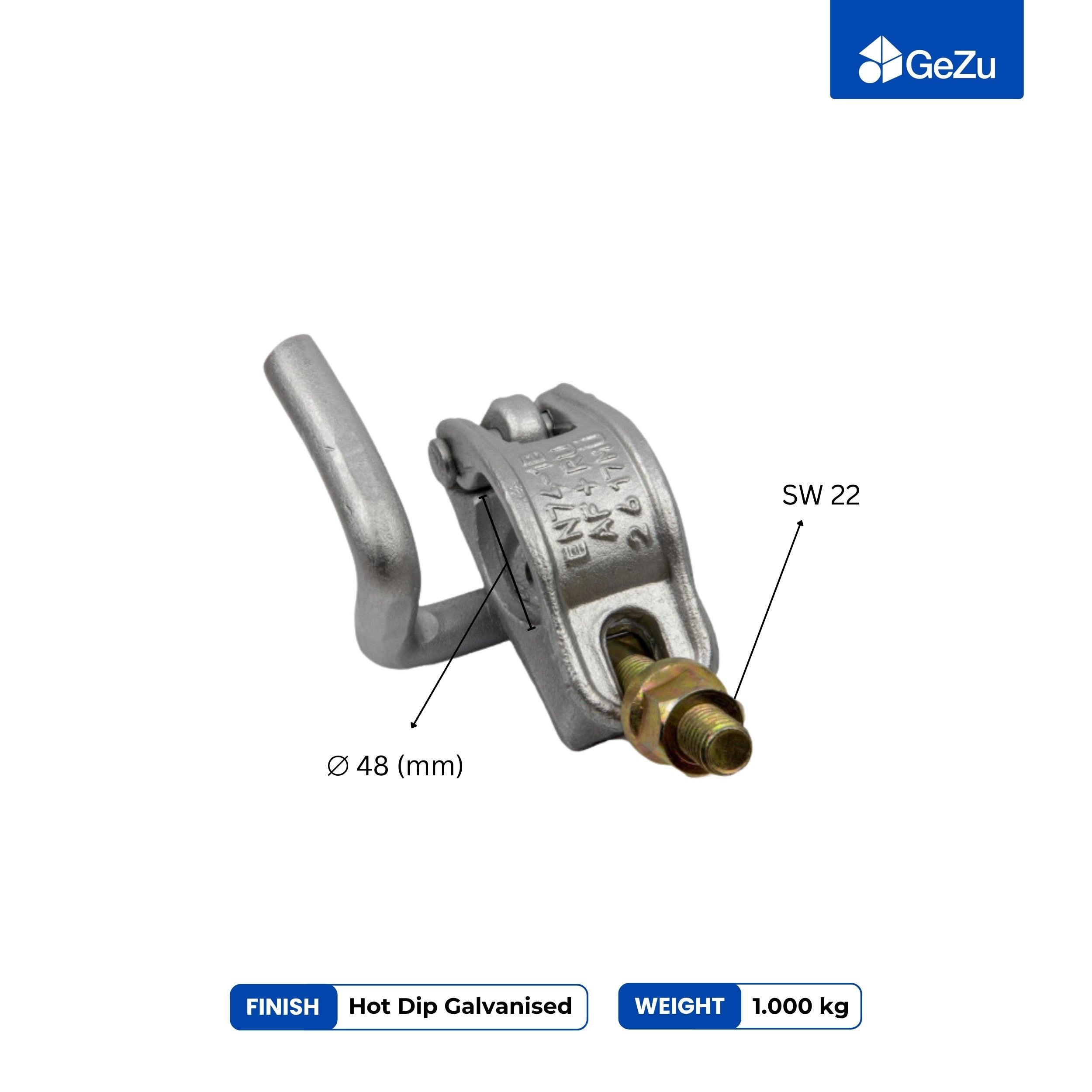
- Wall-fixed runs: a wall mount handrail bracket tube clamp carries the rail clear of the wall on a short stand-off, leaving knuckle room between rail and masonry.
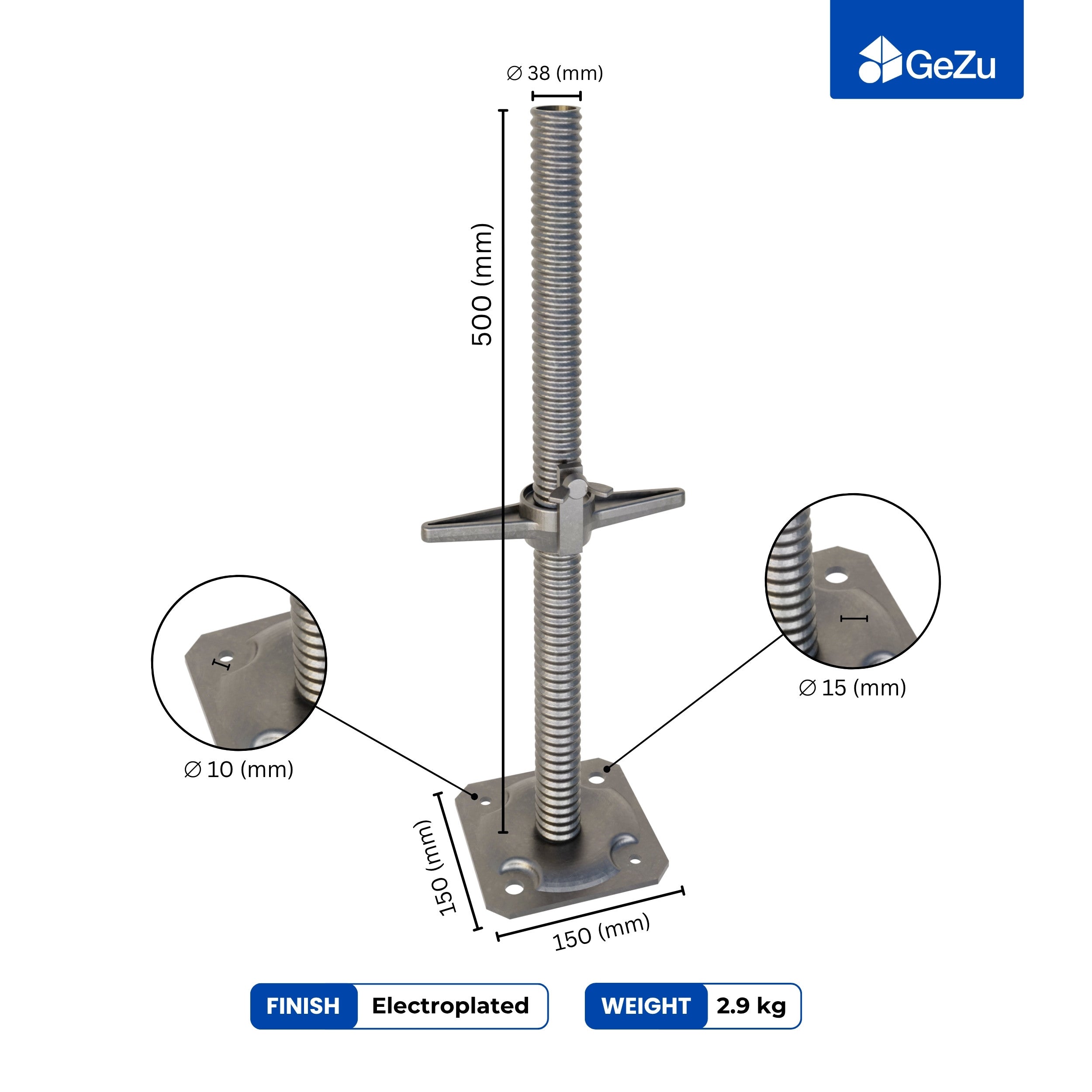
- Free-standing runs: posts anchored with a railing base flange tube clamp bolt down to decking or concrete and take the rail between them.
- Mixed runs — posts at open spans, wall brackets where a wall exists — are normal and often the cheapest layout.
3. Handle corners and slopes with the right fitting
Every direction change maps to a fitting:
- 90° corner on the flat: a standard tee or corner fitting.
- Corner in two planes: a swivel-corner fitting that rotates on both axes.
- Slope changes on stairs and ramps: adjustable swivel fittings, which is exactly where welded rails get expensive.
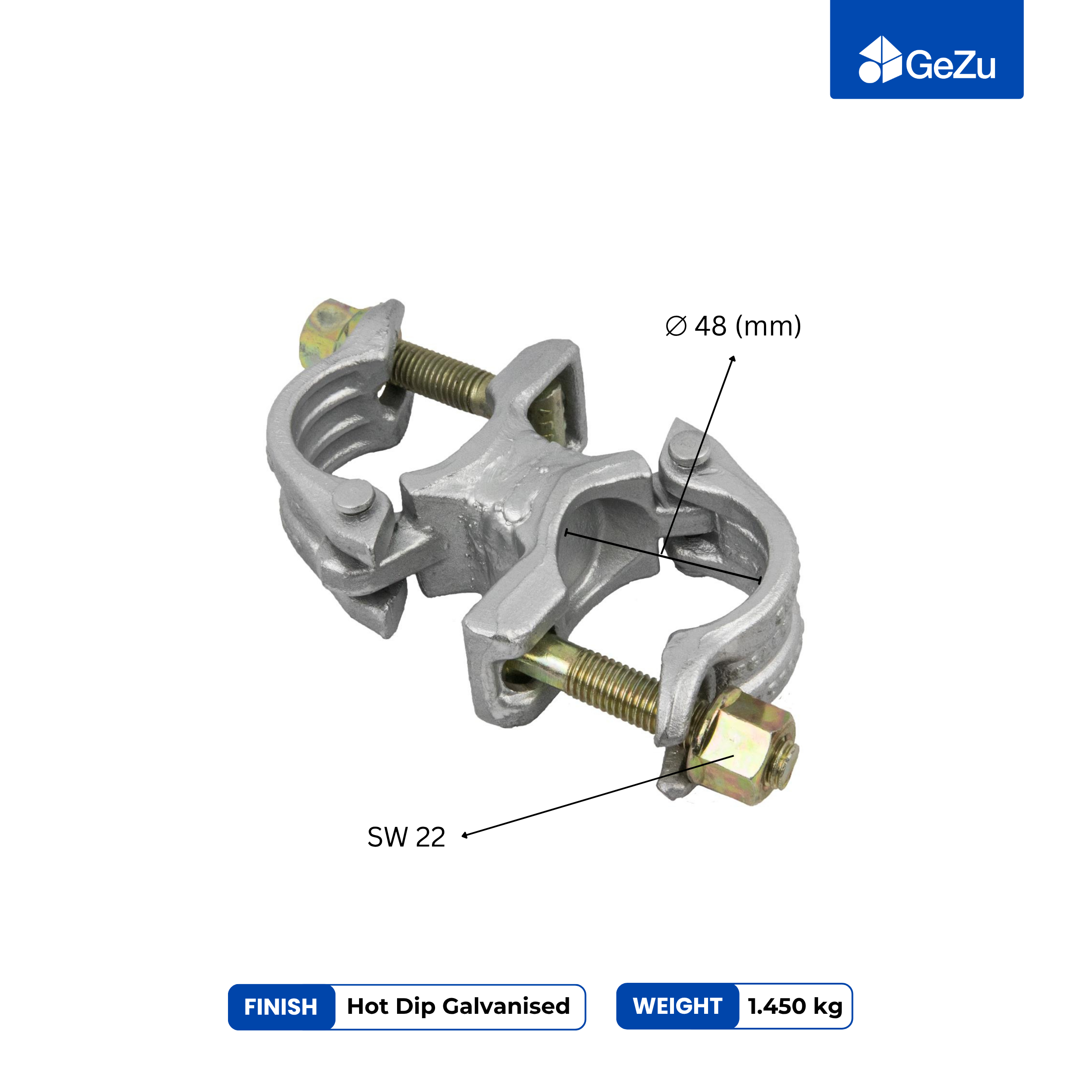
- Crossing runs and mid-span joints: cross and tee clamps from the same galvanised pipe fitting range.
4. Cut, deburr and assemble the tube
Cut tube square with an abrasive or band saw, deburr both ends, and dry-assemble the whole run before final tightening. Clamps bite by grub screw or set screw onto the tube; assemble them finger-tight first so the last adjustment is still possible.
- Leave a consistent 25–50 mm tube extension past end fittings for a finished look.
- Align all fittings in the same rotational position so the run reads as one line.
- Torque set screws evenly — an over-torqued screw distorts the tube under the clamp.
5. Anchor and load-test
Fix wall brackets into solid substrates with appropriate anchors, and base flanges with through-bolts or expansion bolts matched to the surface. A handrail has to resist a leaning load at any point along the run, not just at the posts — check mid-span brackets by hand before sign-off in 2026.
Pipe connector options for handrail runs
| Option | Best for | Standout feature | Key limitation |
|---|---|---|---|
| Wall mount handrail bracket | Wall-fixed runs | Built-in stand-off keeps knuckle clearance | Needs a solid substrate |
| Railing base flange | Post feet on decks and concrete | Bolts down flat and spread the load | Requires sound fixing surface |
| Short tee / corner fittings | 90° turns on the flat | Fast, rigid corner joints | Fixed angle only |
| Swivel fittings | Stairs and ramp slopes | Adjusts to any plane | Costlier per joint |


Common mistakes handrail installers make
- Mixing tube sizes across the run. Clamp systems are size-specific; one diameter end to end keeps every fitting usable.
- Skipping deburring. A burr under a set screw chews the galvanising and starts corrosion from inside the joint.
- Fixing wall brackets into weak substrate. A bracket that pulls out of soft brick fails the hand-load test; use the right anchor for the wall.
- Tightening before the run is aligned. Final-torque clamps only after the whole run is squared and levelled.
FAQ
Can pipe connectors be used for handrails without welding?
Yes. Galvanised tube clamps join standard steel tube into complete handrail runs with set screws alone. The joints are rigid, repairable and need no hot work on site.
What fittings does a basic handrail run need?
A typical run uses wall mount handrail brackets or base flanges at the anchor points, plus tees, elbows or swivel fittings at every corner and slope change.
Are tube clamp handrails strong enough?
When fixed into sound substrate with the correct anchors and all set screws torqued, clamp-built handrails take normal leaning loads along the whole run. Fixings, not the clamps, are what to get right.
What tube size do handrail clamps fit?
Most clamp systems run on standard scaffold-style tube diameters. Confirm your tube size before ordering fittings, since sizes are not interchangeable between systems.
Do galvanised handrail fittings rust outdoors?
Galvanised fittings resist rust in outdoor service; deburring cut ends and touching up exposed steel preserves the coating. Coastal installs benefit from periodic inspection.
How high should a handrail be mounted?
Handrails are commonly set around 900–1000 mm above the walking surface or stair nosing. Follow the local building rules that apply to the specific property in 2026.
One last thing
Standardise one tube diameter across every handrail job and buy fittings against that size in bulk. Installers who keep a stock of wall brackets, base flanges and swivels quote faster and never lose an afternoon waiting on one missing corner fitting.