Can You Cut Scaffold Tube to Custom Lengths? DIY Guide 2026

Yes — cutting scaffold tube to custom lengths is normal site and DIY work, and it is the standard way to build tube-and-fitting frames: order full lengths, cut them to your own dimensions, and let the couplers make the joints. The whole job is four steps done carefully — measure, mark square, cut, and protect the fresh steel where the galvanising used to be.
- Scaffold tube comes in standard 6.4 m (21 ft) lengths of 48.3 mm steel — cutting it down yourself is how custom frames are meant to be built.
- A fine-tooth hacksaw handles a one-off cut; an angle grinder with a thin steel-cutting disc is the fast option for a full frame.
- Cut square: wrap paper around the tube as a guide line and keep the blade square to the wall.
- A cut removes the galvanising at that spot — treat the fresh steel with zinc-rich (cold galvanising) paint so rust cannot start at the cut.
- Deburr inside and outside edges with a file so the tube seats properly in a coupler and does not cut your hands.
What you need
- To measure and mark: tape measure, pencil or marker, and a sheet of paper or masking tape to wrap around the tube as a square cutting line.
- To cut: a hacksaw with a fine-tooth (24 TPI) blade for occasional cuts, or an angle grinder with a 1 mm steel-cutting disc for a batch of them.
- To hold the tube: a bench vice or clamp — a tube that rolls mid-cut ruins both the line and the blade.
- To finish: a half-round file for the burrs and a zinc-rich cold galvanising spray or paint for the cut end.
- Safety basics: eye protection and gloves as a minimum; ear defenders and a dust-free workspace if you use a grinder.
How to cut scaffold tube to length
- Measure and mark. Measure the finished length you need and add nothing — the coupler grips the outside of the tube, so the cut tube is the finished length. Mark a line at the measurement.
- Square the line around the tube. Wrap a strip of paper or masking tape around the tube, edge to edge with your mark — the paper edge gives you a perfectly square guide all the way round, which is the one trick that separates a clean cut from a crooked one.
- Secure the tube. Clamp it in a vice or to a bench so it cannot roll or vibrate.
- Cut on the line. With a hacksaw, use long steady strokes and let the blade do the work; with an angle grinder, keep the disc square to the tube and cut through in one steady pass.
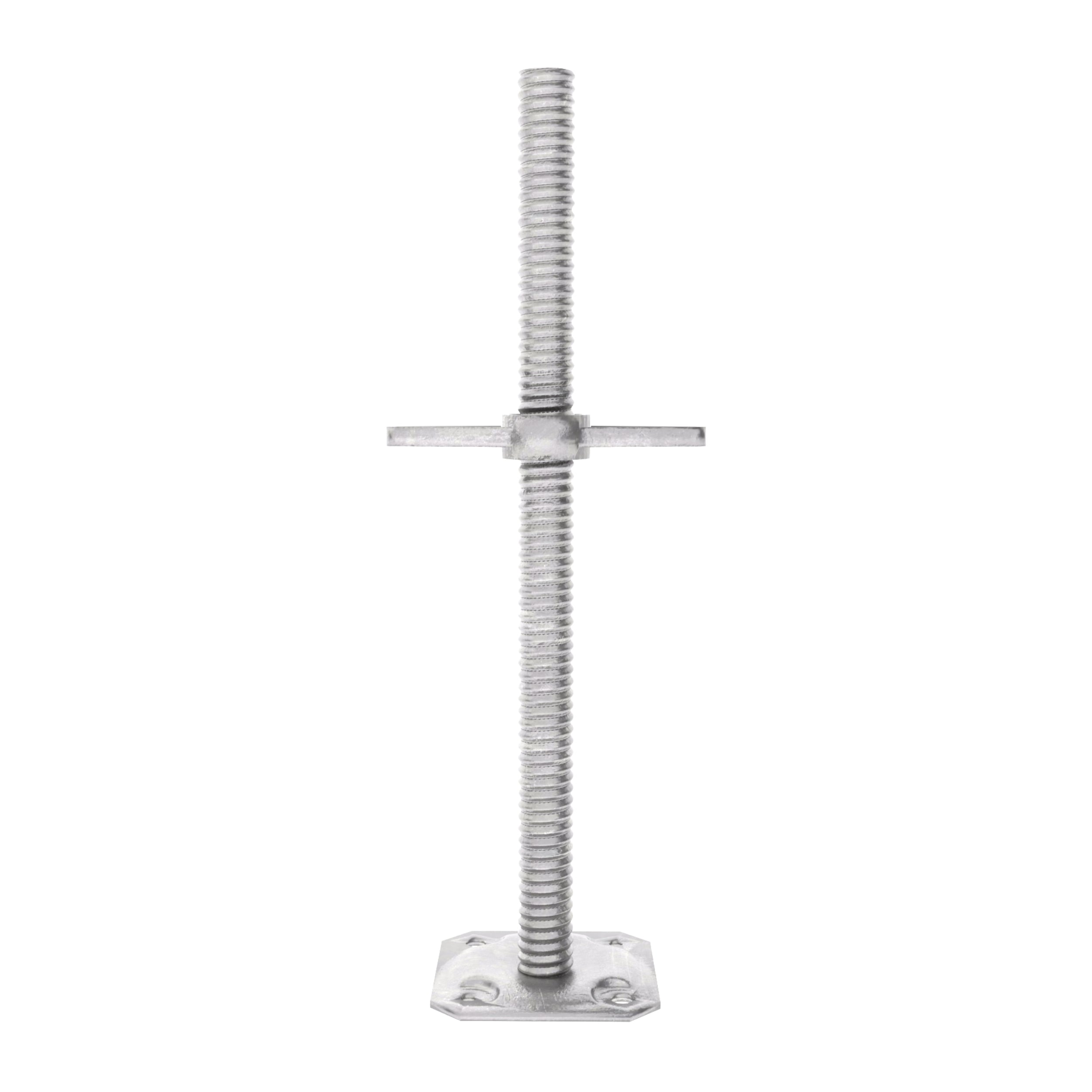
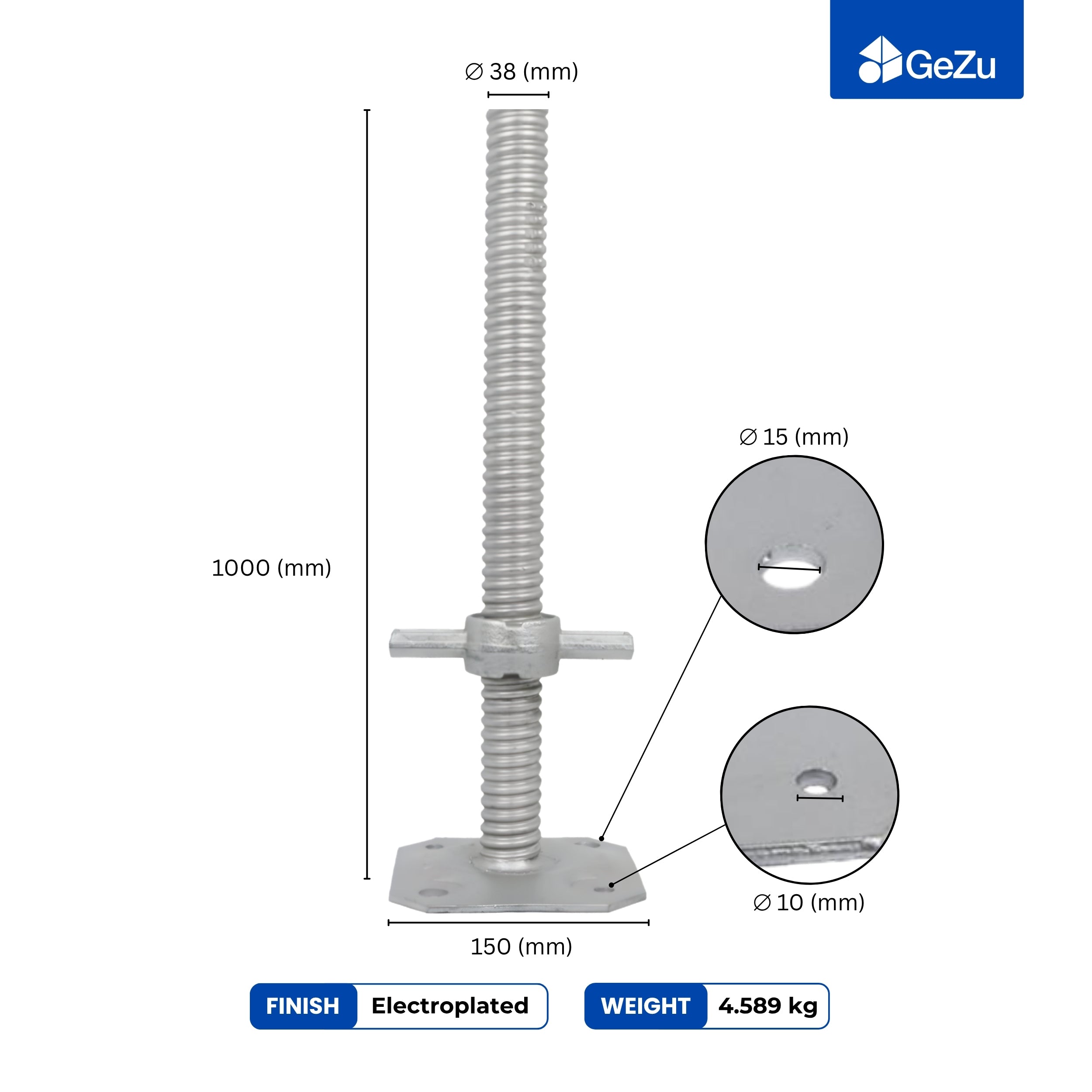
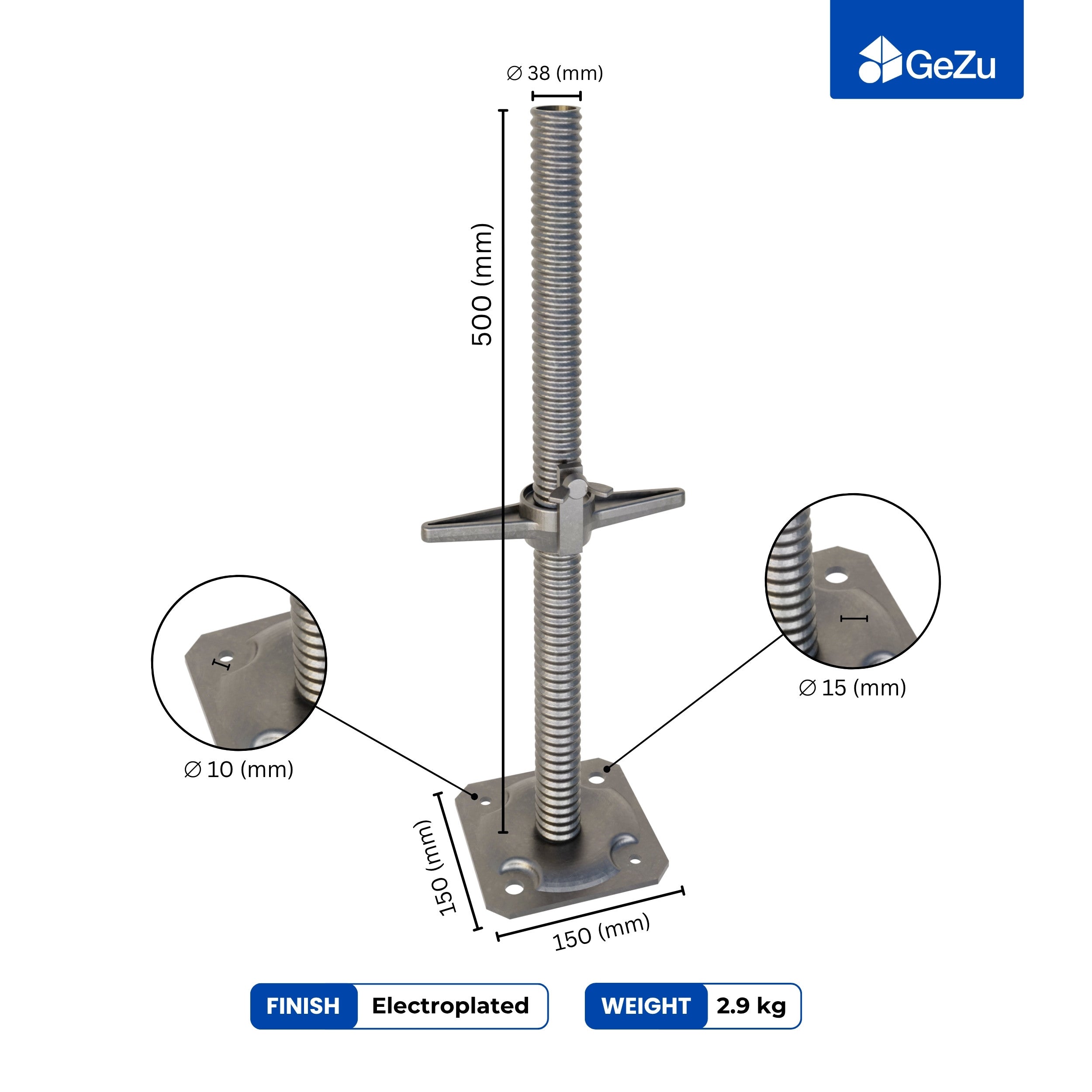
- Deburr both edges. File the outside edge and ream the inside edge so there is no lip left — a burr on the inside stops a coupler or a screw jack spindle from seating properly, and a burr outside is a cut waiting to happen.
- Protect the cut end. Spray or brush zinc-rich cold galvanising paint over the bare steel, overlapping onto the existing coating. This restores the protection the hot-dip coating gave the factory end.
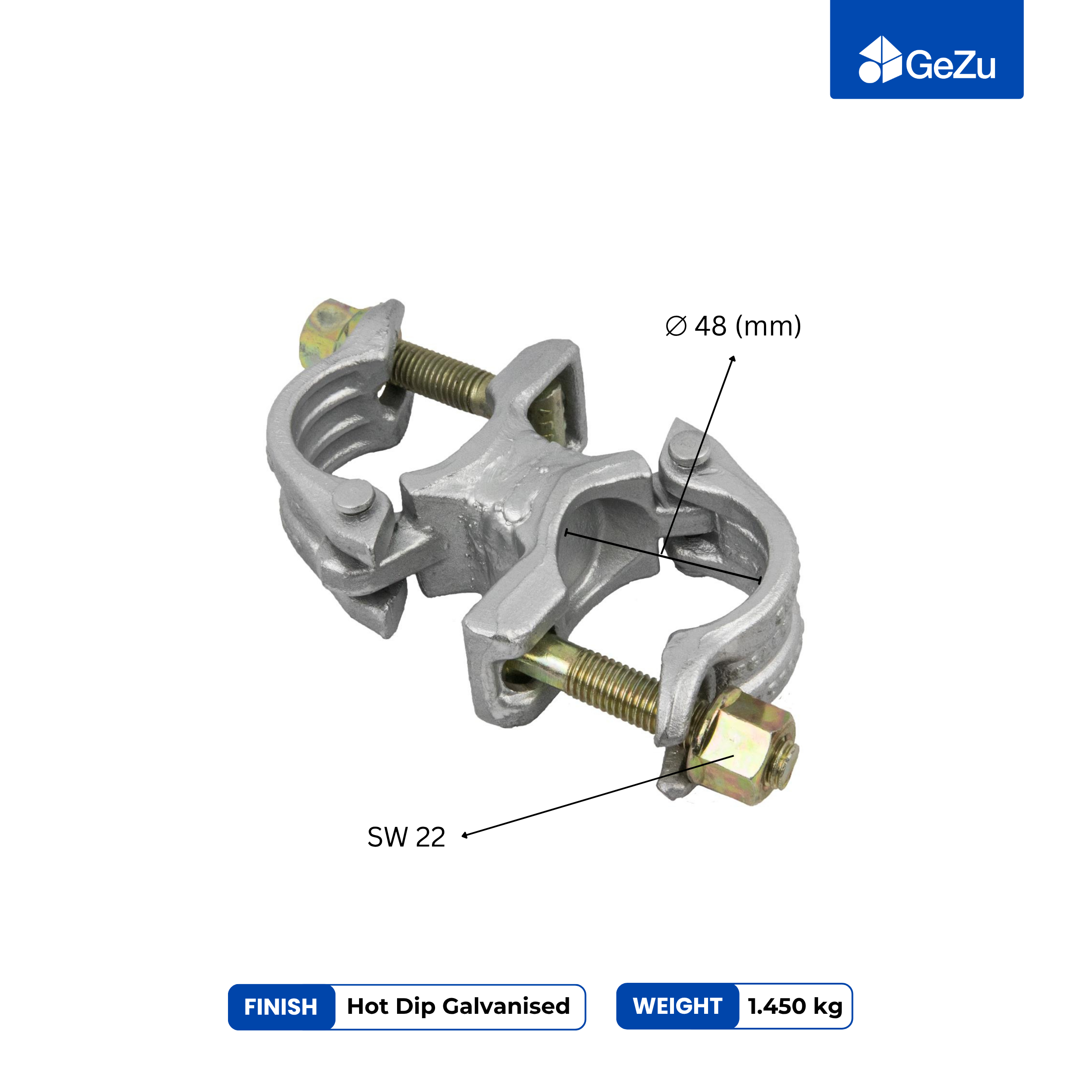
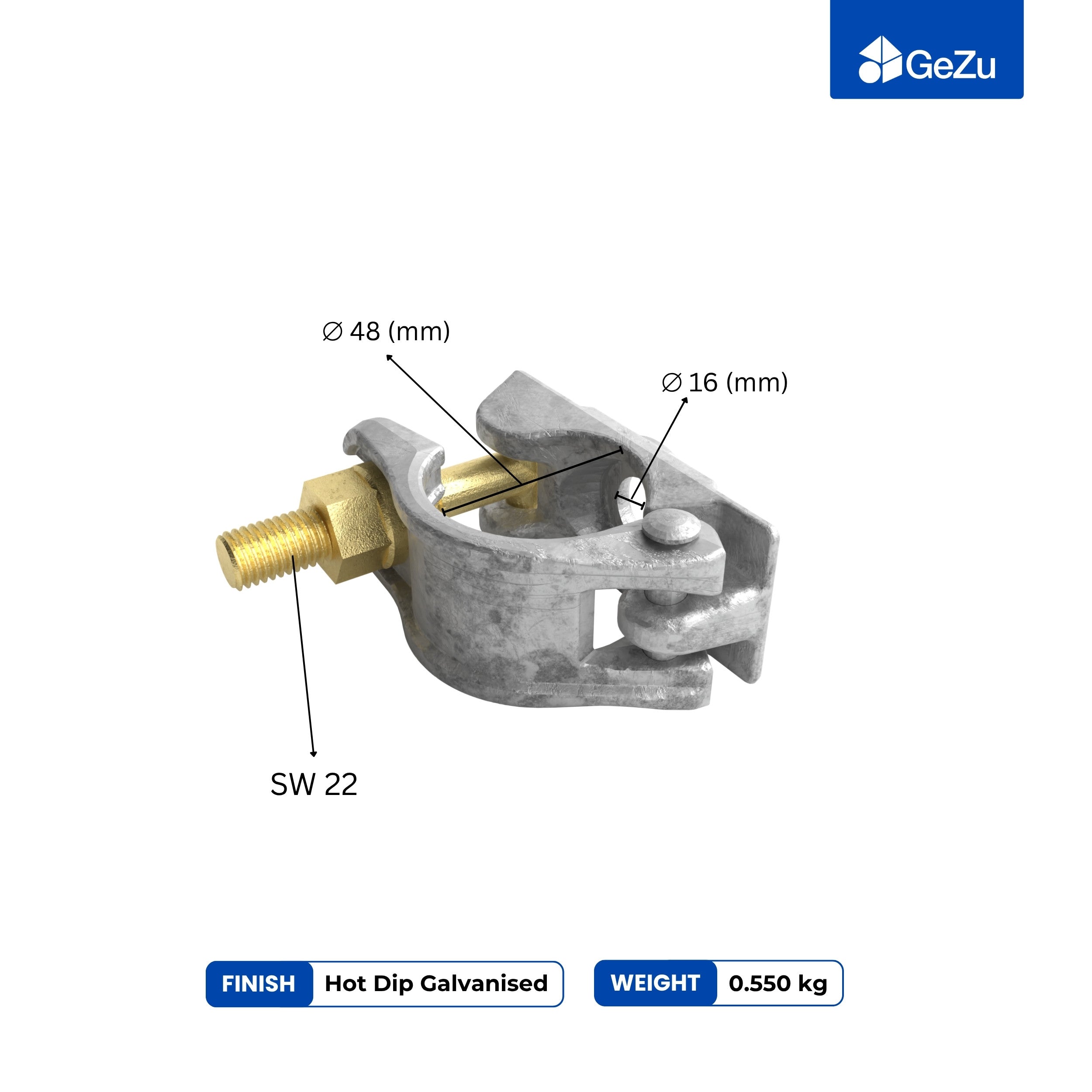
Expected result: a square-ended tube at your exact length, no burrs, and a dull grey zinc coating on the cut face. A cut end like that seats in a right angle coupler or swivel coupler exactly like a factory end, because the joint is made by the coupler clamping around the tube — not by the tube's end.


Hacksaw or angle grinder?
Both work; the choice is volume, not quality:
- Hacksaw — the right tool for one or two cuts. Use a fine-tooth blade (24 TPI is standard for steel tube), start the cut with light pressure on the paper line, and keep the strokes long and level. A clean hacksaw cut is just as square as a grinder cut; it simply takes a few minutes longer.
- Angle grinder with a thin cutting disc — the right tool when a frame needs a dozen lengths. The thin disc (about 1 mm) removes far less steel than a standard disc, cuts faster, and heats the tube less. Clamp the tube, stand to the side of the disc's line, and let the tool reach full speed before touching the metal.
One caution that applies to both: the cut end gets hot enough to burn bare skin for a minute or two after cutting — that is normal, just set the tube down and let it cool before you file it.
Why the cut end needs protection
Standard scaffold tube is galvanised — coated in zinc so the steel underneath rusts far more slowly. The coating works as a barrier and sacrificially, but it only works where it exists: a cut leaves bare steel, and bare steel plus rain equals rust, starting at the edge of the cut. Zinc-rich cold galvanising paint re-creates that sacrificial layer on the fresh steel. It takes thirty seconds per tube and it is the difference between a cut end that looks the same as the factory end in ten years and one that rusts into the coating within a couple of seasons. Why galvanised steel is worth it outdoors covers the coating logic in full.
Making the most of offcuts
A 6.4 m length cut into a frame's ledgers leaves offcuts that are exactly what the smaller parts of the build need:
- Legs and transoms — most workbench-height frames need sub-metre pieces for cross members; measure the frame, not the leftover, before assigning offcuts.
- Diagonal braces — cut slightly long and trim to fit between the swivel couplers once the frame is set up.
- Extending a short piece — a parallel coupler joins two cut lengths end to end into one longer tube when an offcut is just short of the job.
Cutting your own lengths from full tubes is also the cheaper way to buy: full 6.4 m lengths price better per metre than pre-cut short pieces, which is why tube is sold that way in the first place.
FAQ
Can you cut scaffold tube to custom lengths yourself?
Yes. Cut-to-length is the standard way to build with tube and fittings: order full 6.4 m lengths, cut them to your dimensions, deburr, and protect the cut end with zinc-rich paint.
What is the best tool to cut 48.3 mm scaffold tube?
A fine-tooth hacksaw for the odd cut, an angle grinder with a thin (1 mm) steel-cutting disc for a batch. Both give a clean square cut when the tube is clamped and the line is squared with paper.
How do I cut scaffold tube square?
Wrap a strip of paper or masking tape around the tube so its edge sits on your mark — the paper edge is a perfectly square guide line. Keep the blade or disc square to the tube wall as you cut.
Do I need to treat a cut scaffold tube end?
Yes. Cutting removes the galvanising at that spot, and bare steel rusts from the cut edge. Brush or spray zinc-rich cold galvanising paint over the cut face and the surrounding area.
Does cutting scaffold tube weaken it?
A clean, square, deburred cut does not change how a coupler grips the tube — the joint is made by the coupler clamping around it, exactly as at a factory end. Keep the cuts clean and the edges deburred.
Can the same method cut smaller tube clamp pipe?
Yes — the smaller diameter pipe used with tube clamp fittings (27 mm and 42 mm) cuts with the same measure, clamp, cut, deburr and protect routine, with a junior hacksaw or the same thin grinder disc.
One last thing
The cut is the easy half; the measurement is the half that decides whether the frame goes together. Measure each length from your sketch, mark them all before cutting anything, and cut the longest pieces first — then a slight misjudgement costs an offcut, not the length you needed.