How to Protect Fence Posts From Rotting (10 Real Solutions)

You can protect fence posts from rotting and extend their lifespan by 20+ years. Fence posts do not usually fail all at once. They slowly rot from the ground up, where moisture, soil and oxygen work together to break down the wood.
Gardeners notice the problem only when the fence starts leaning, but by then, around 60% of the damage is already advanced beneath the surface. This happens to thousands of homeowners every year, and in almost every case, it is preventable.
The fence is not old. It is just rotted. Fence post rot is not random bad luck. It is a predictable biological process that attacks the same vulnerable area on every wooden post. In this guide, you will learn the best solutions to stop fence posts from rotting.
Best Ways to Protect Fence Posts from Rotting
Let’s find out the best ways to prevent fence posts from rotting. The first one is the real winner of all.
1. Install Metal Fence Post Spikes or Sleeves
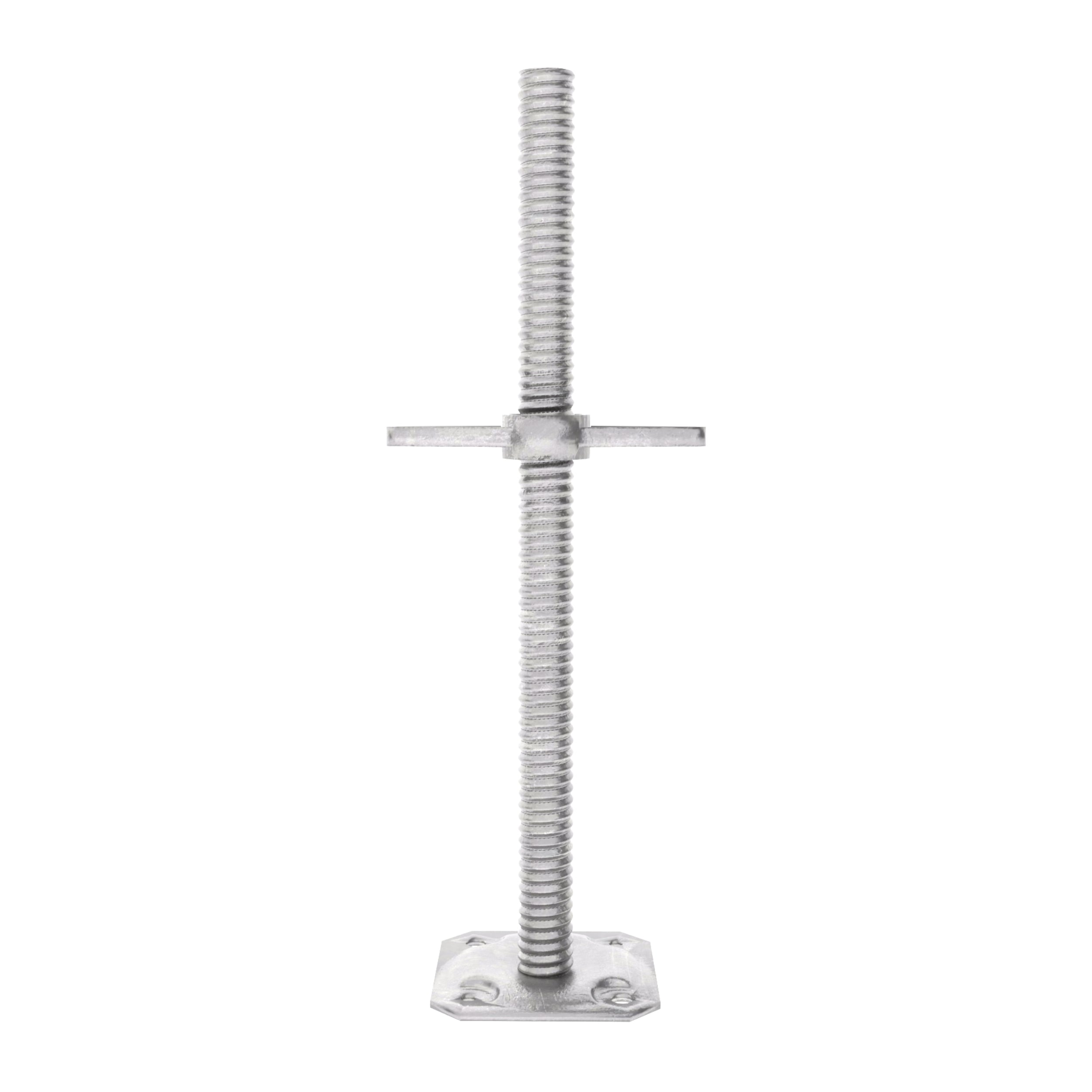
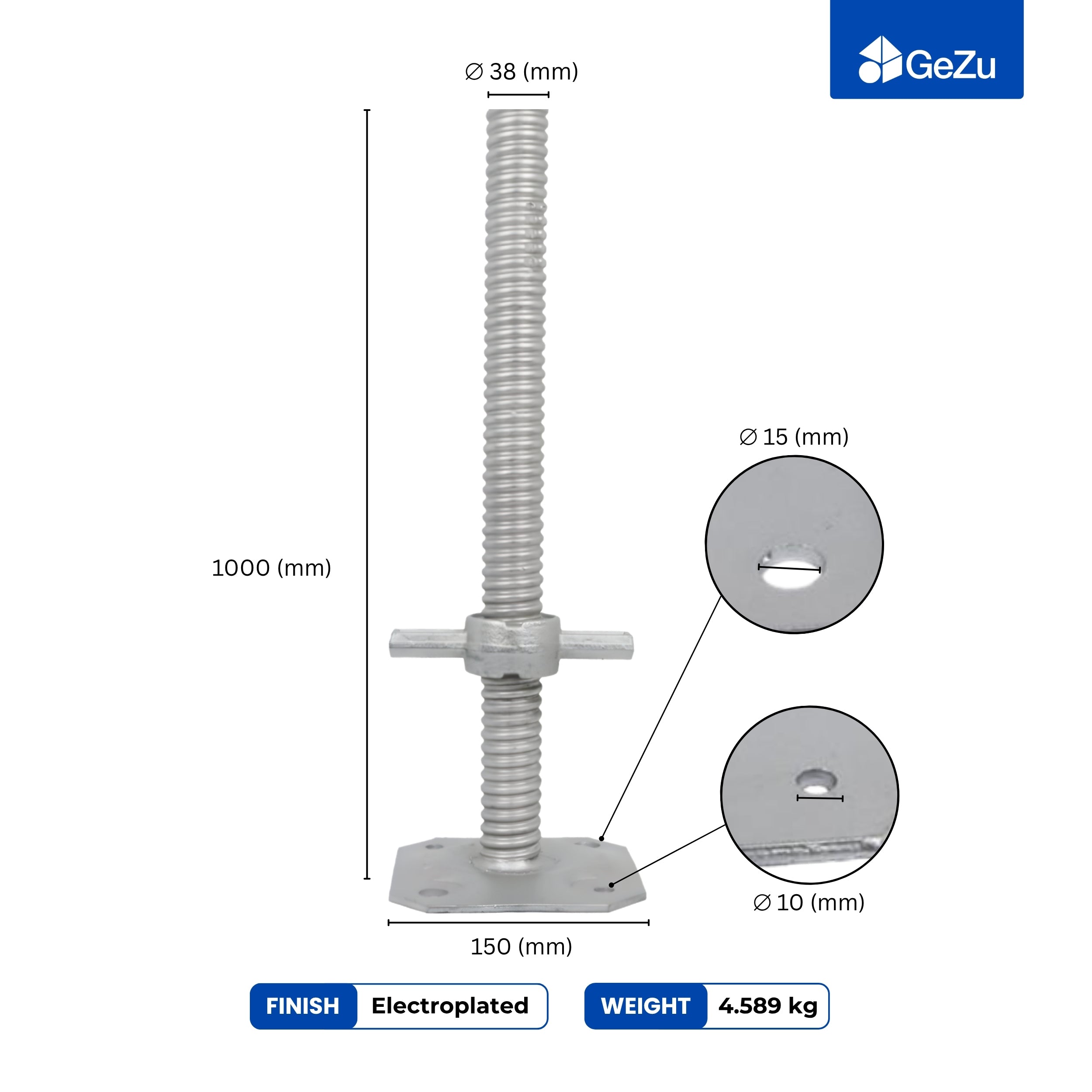
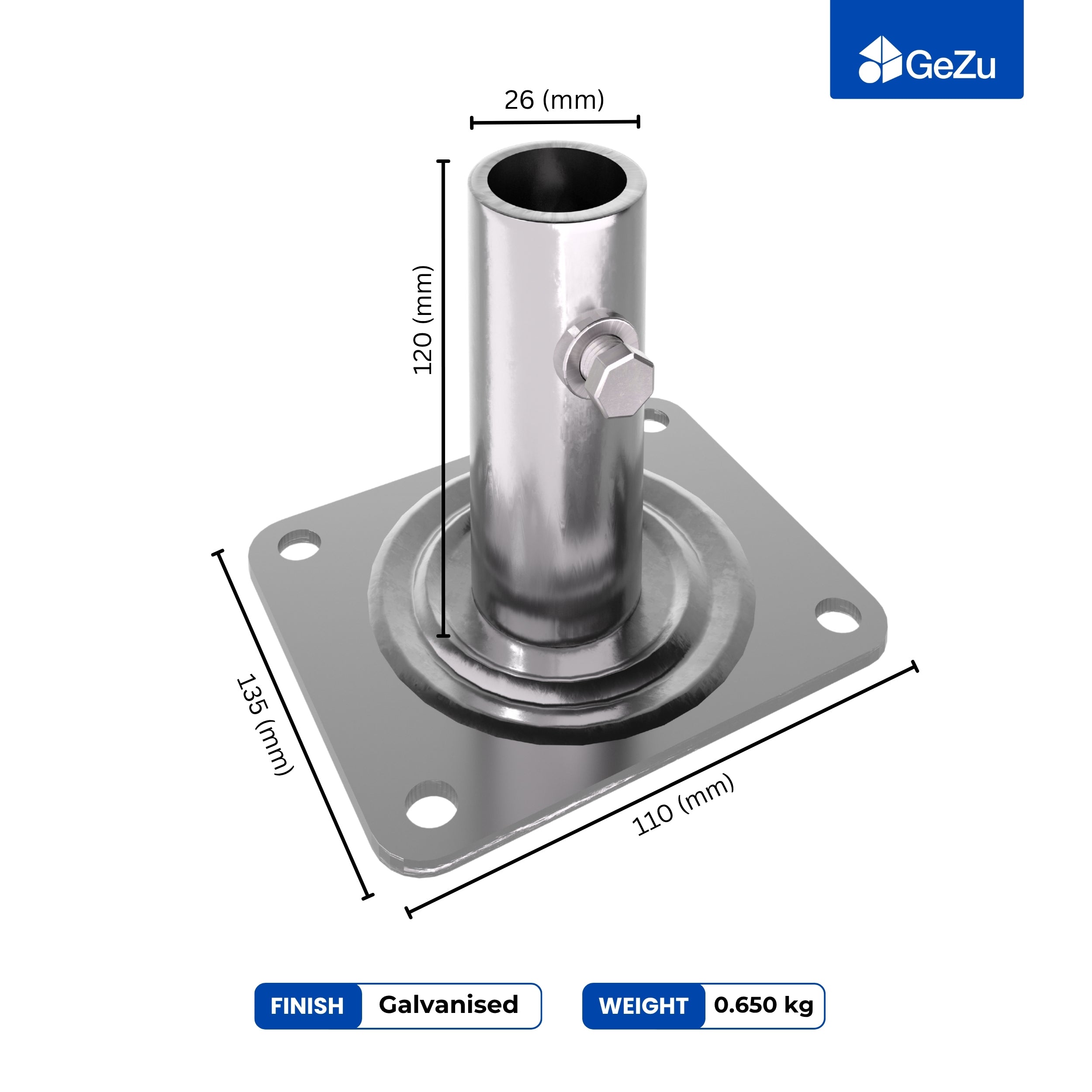
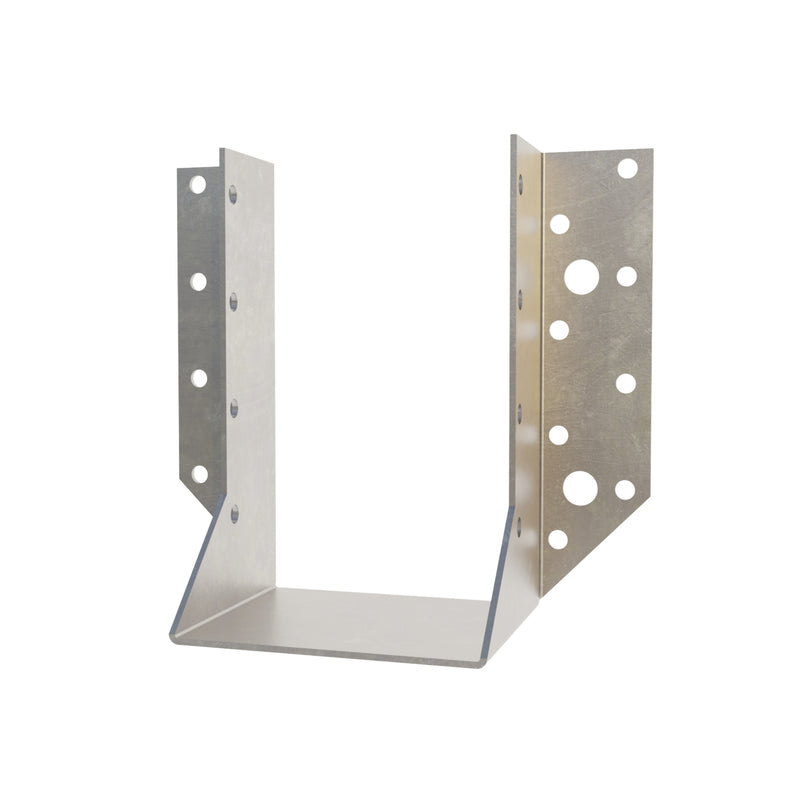
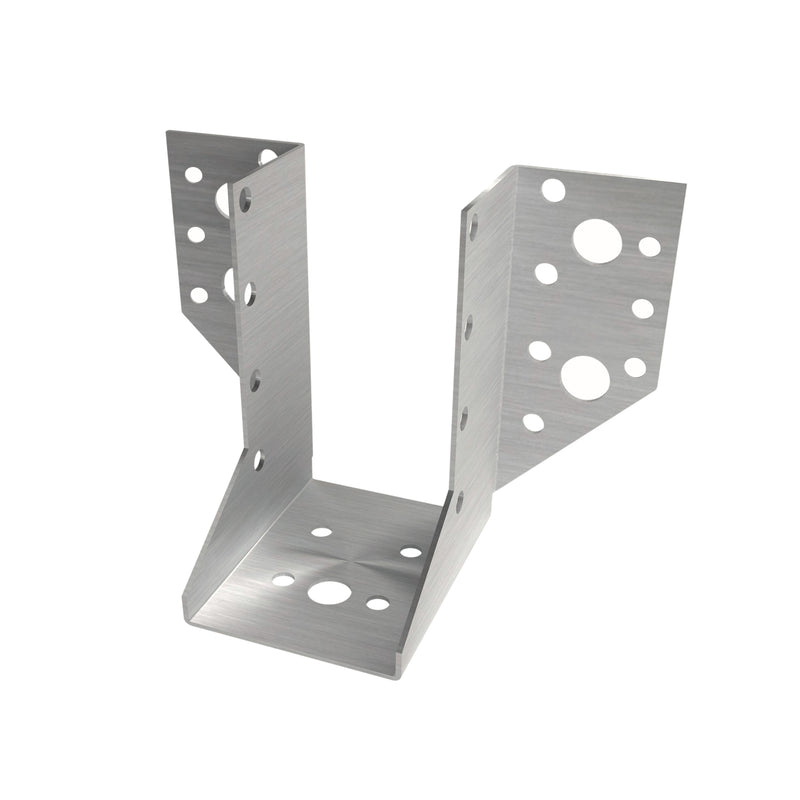
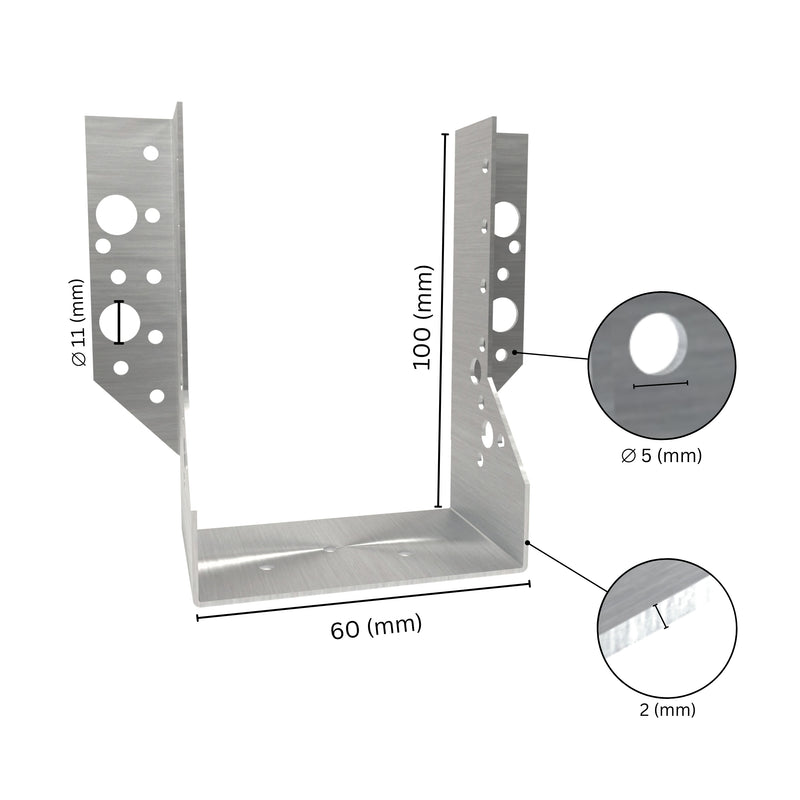
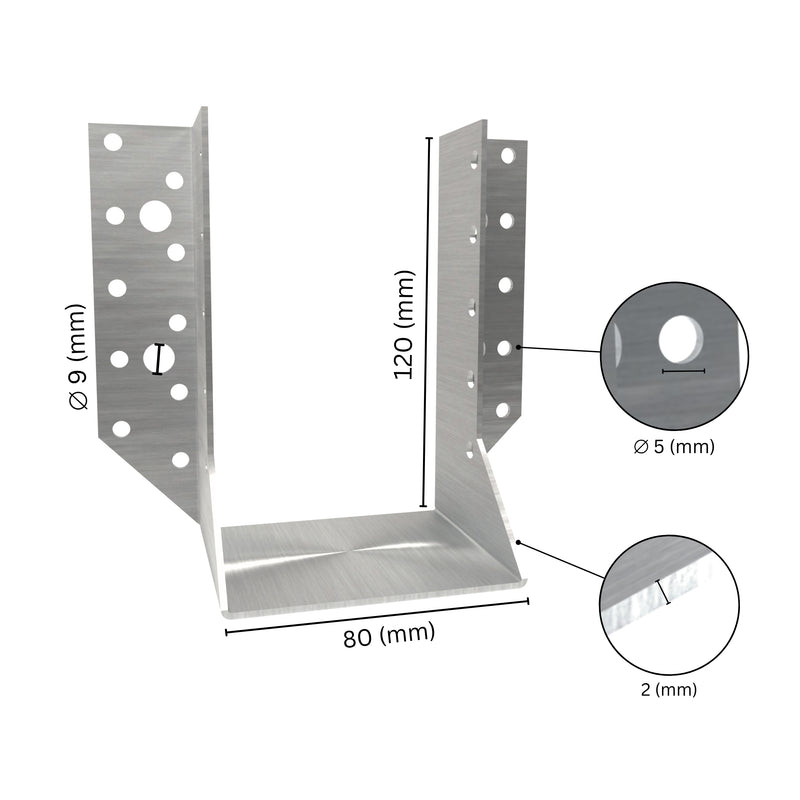
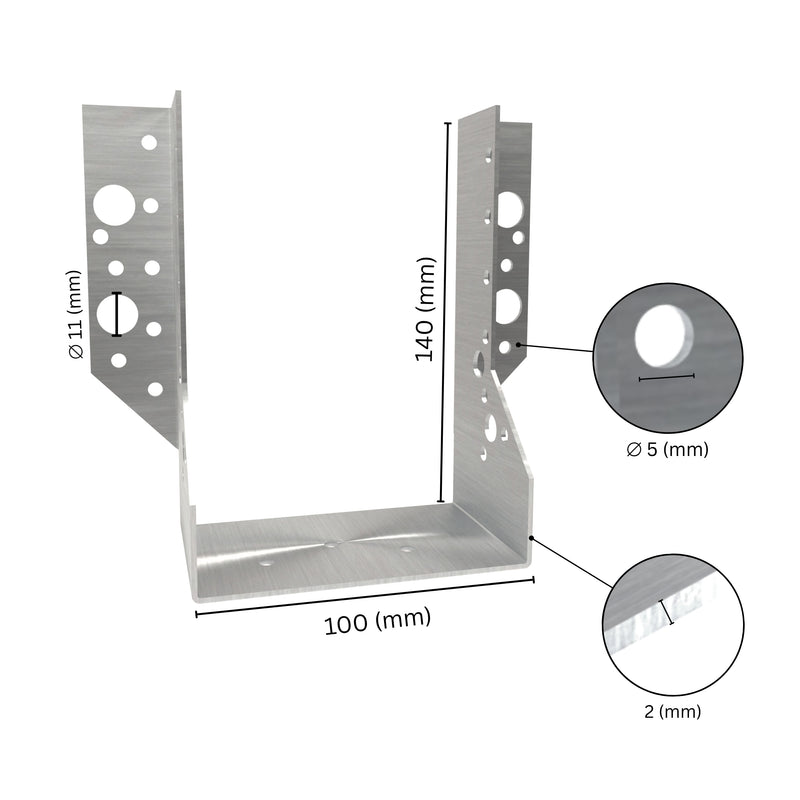
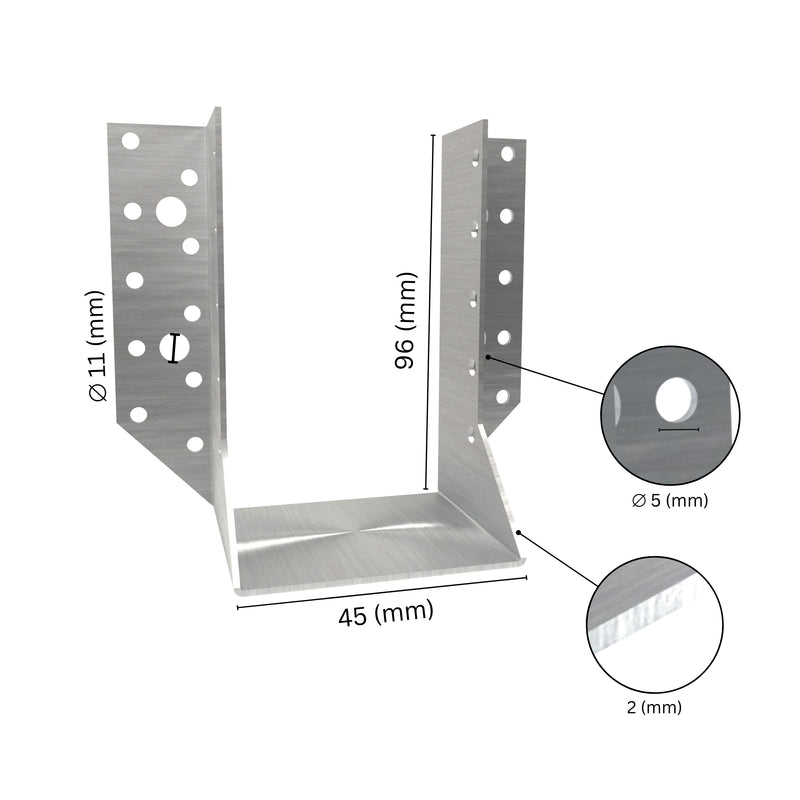
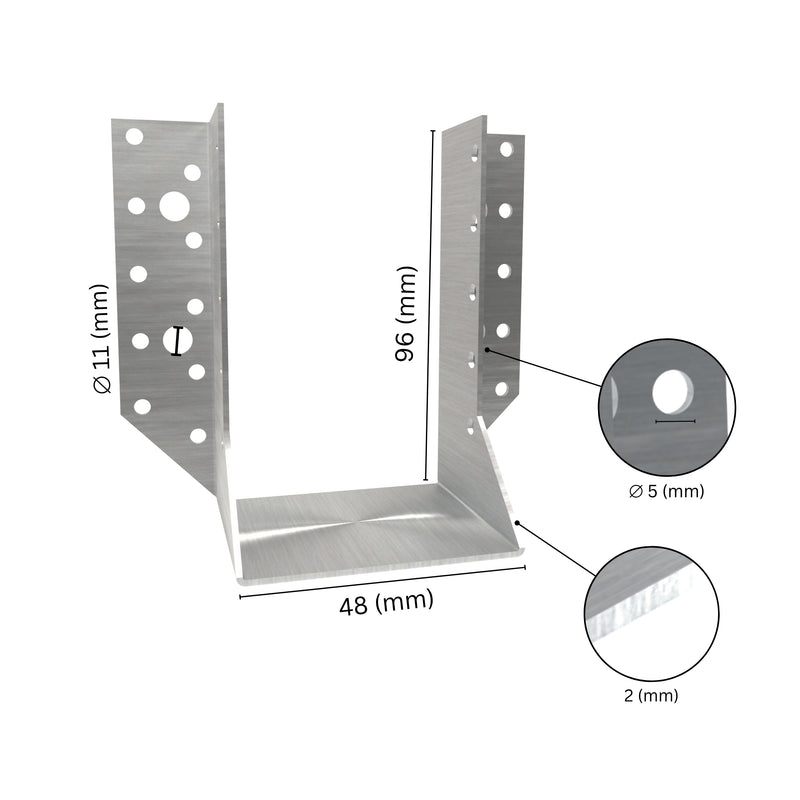
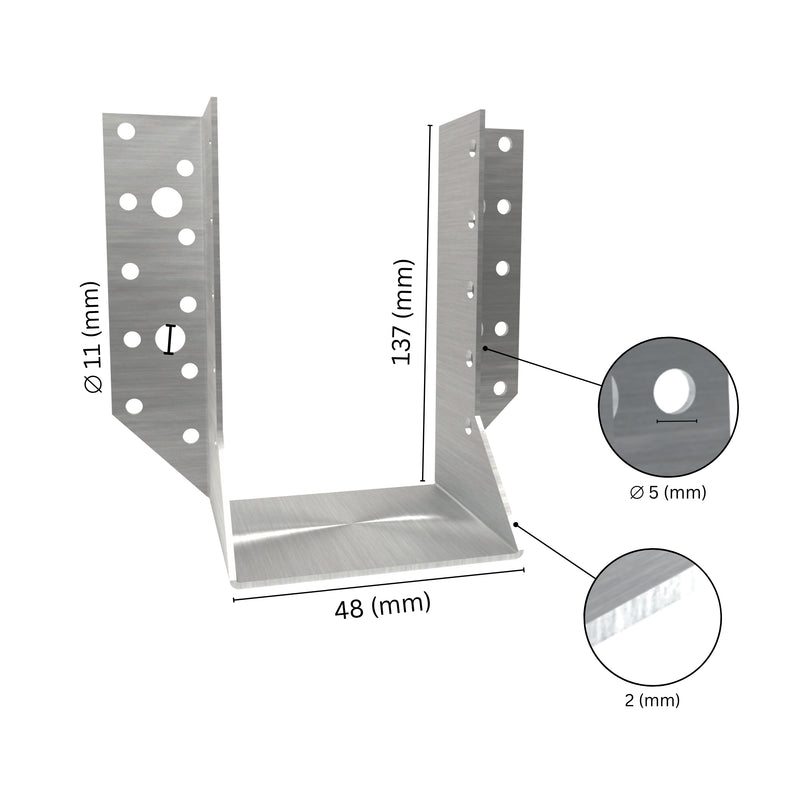
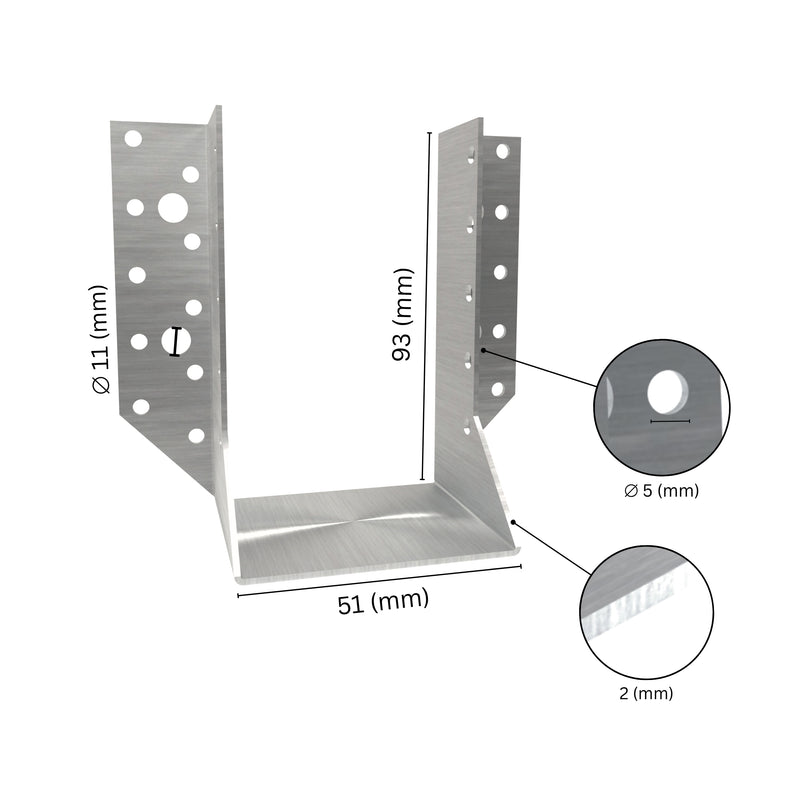
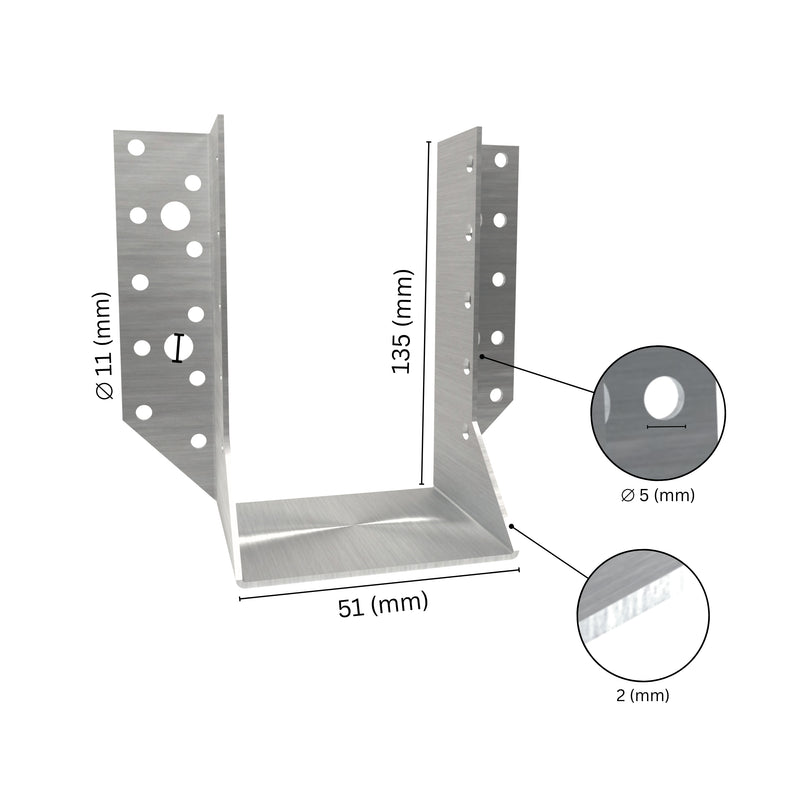
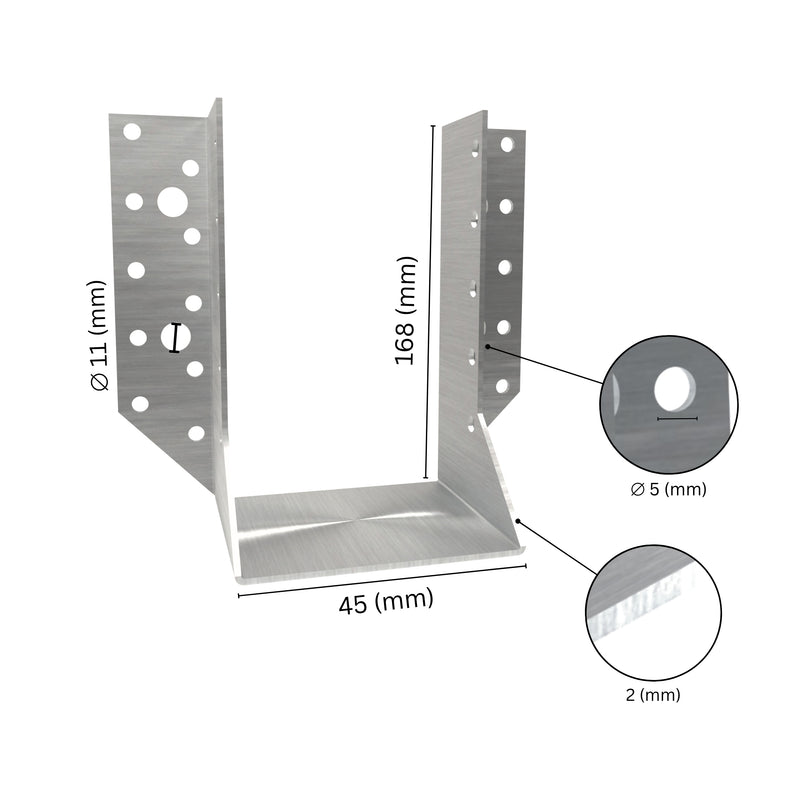
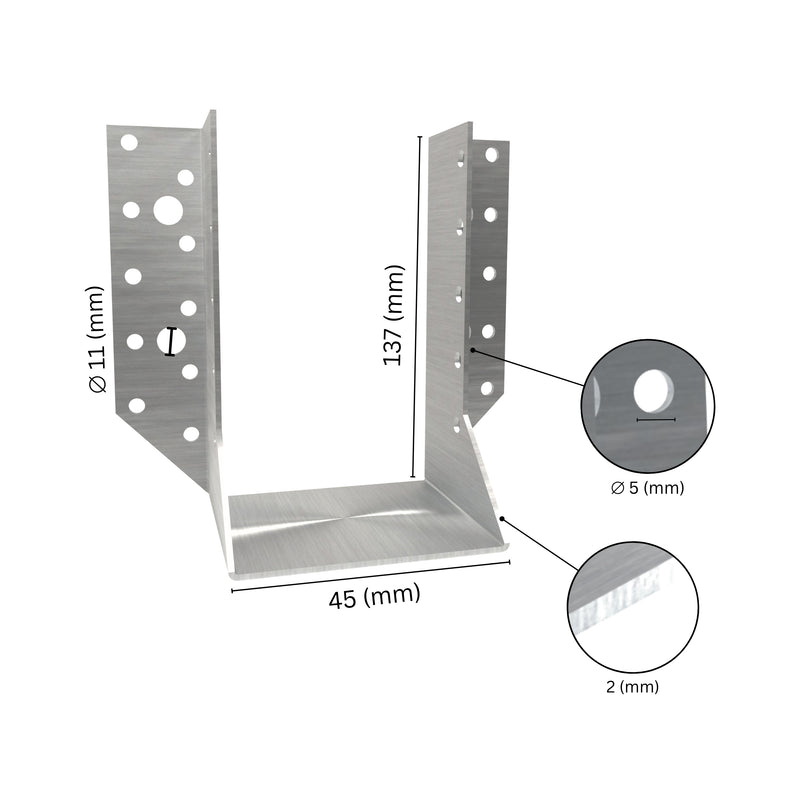
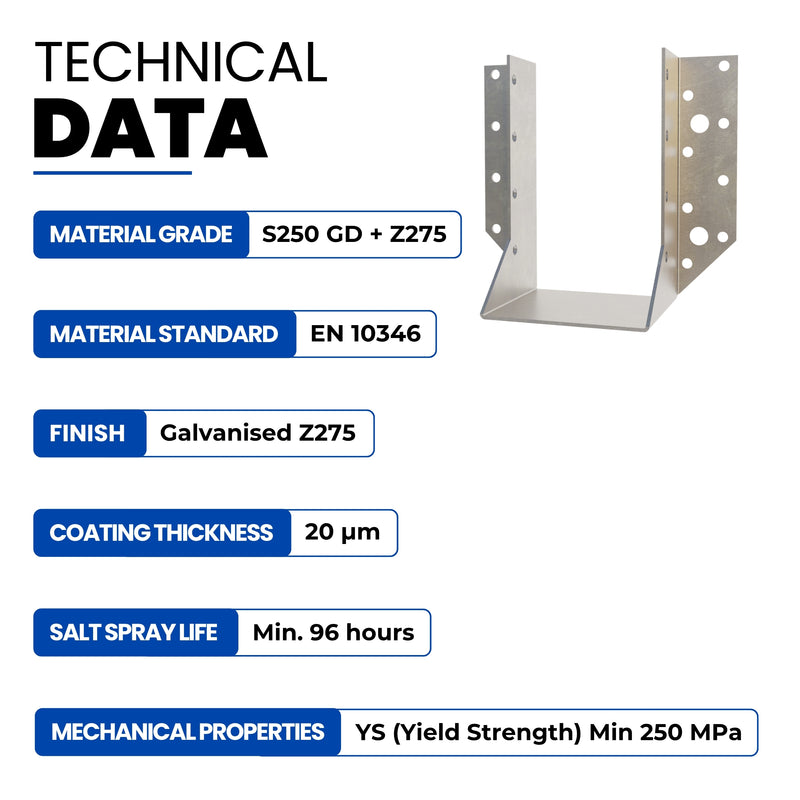
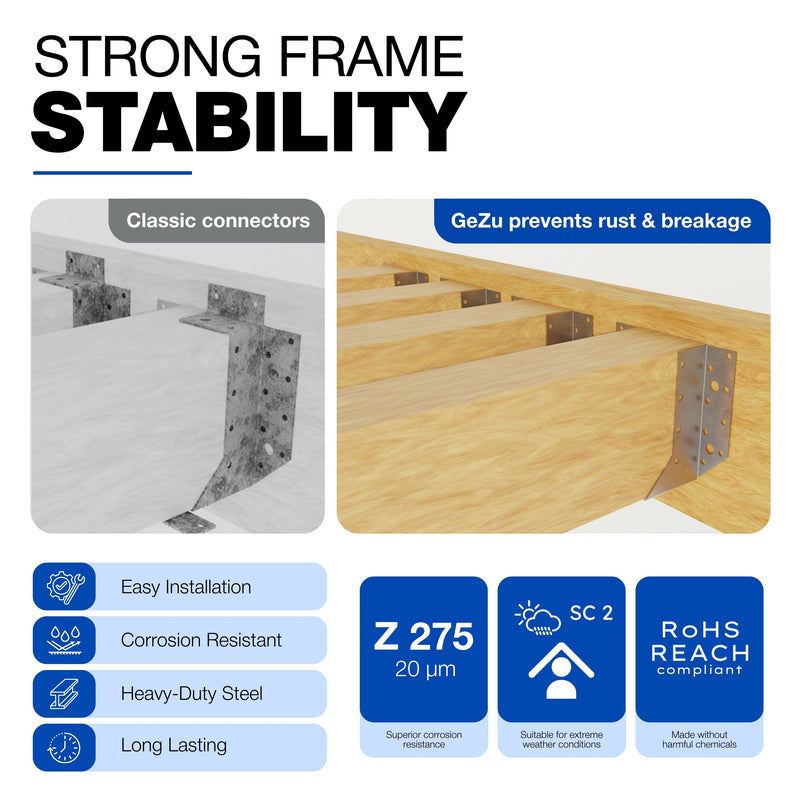
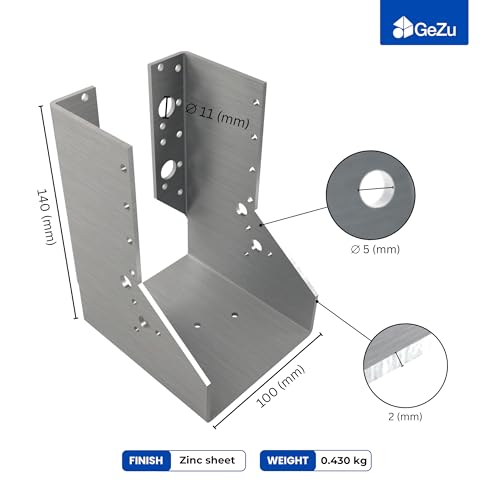
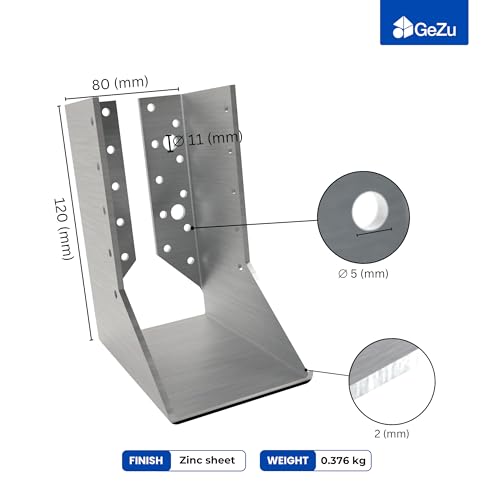
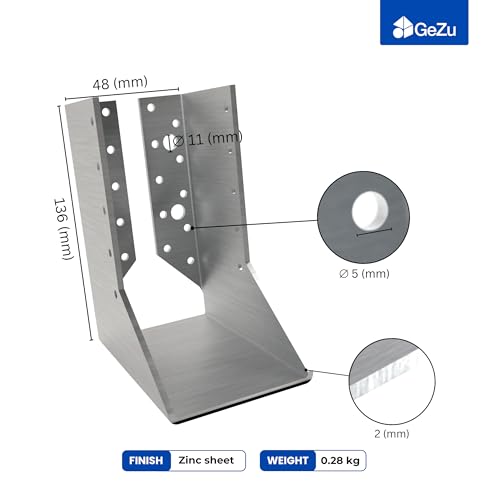
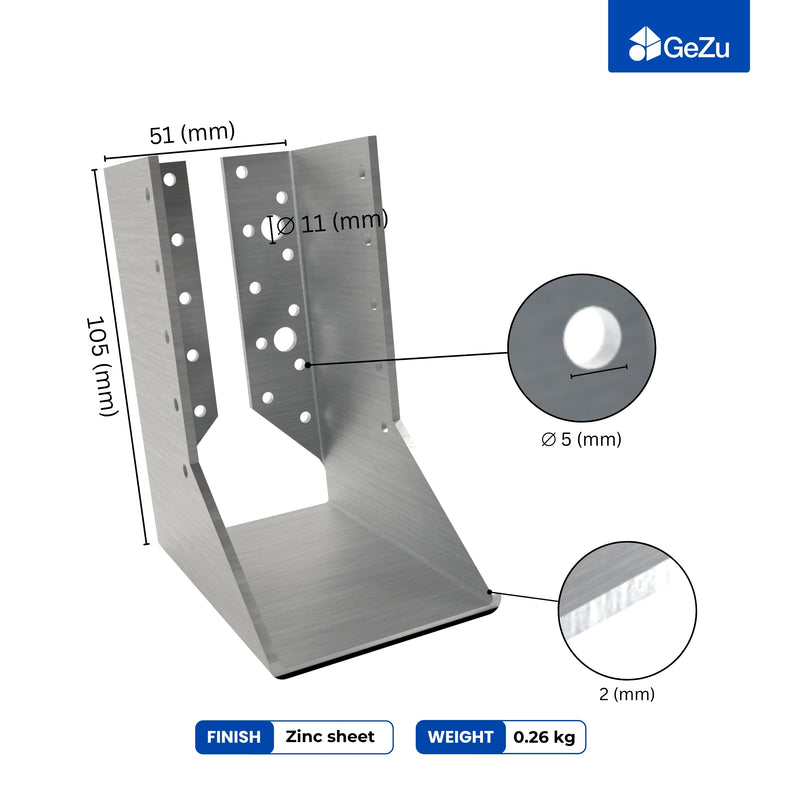
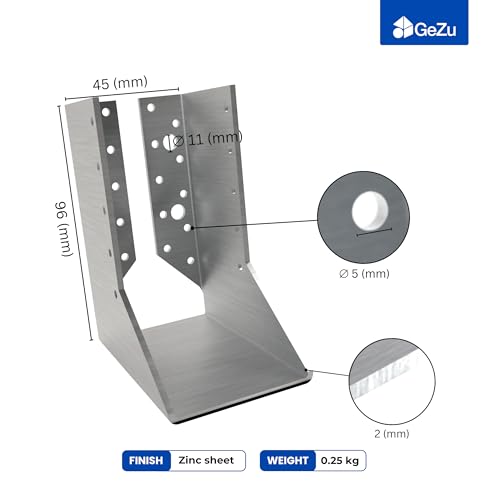
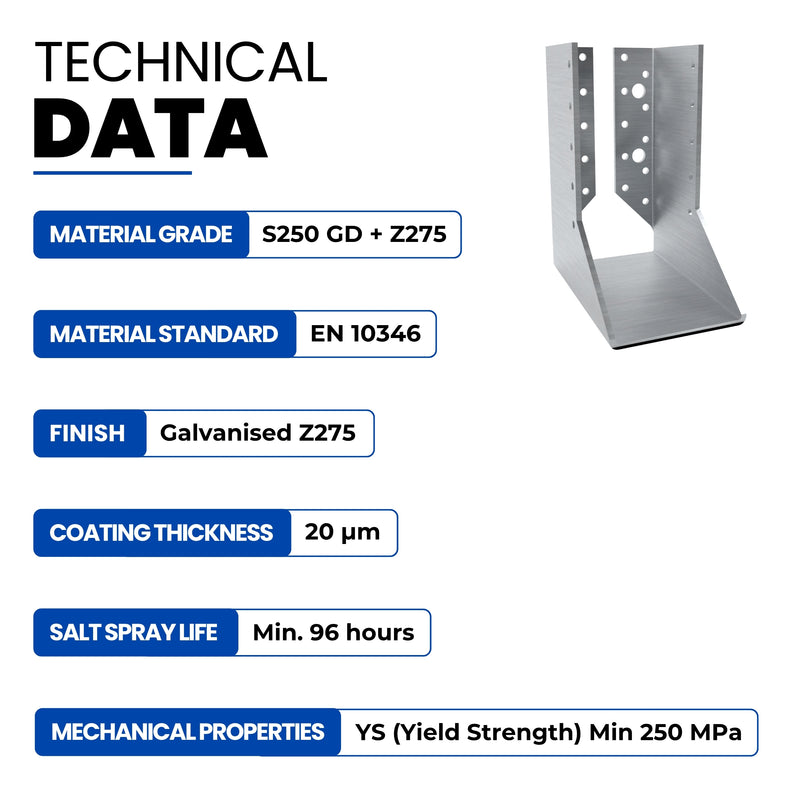
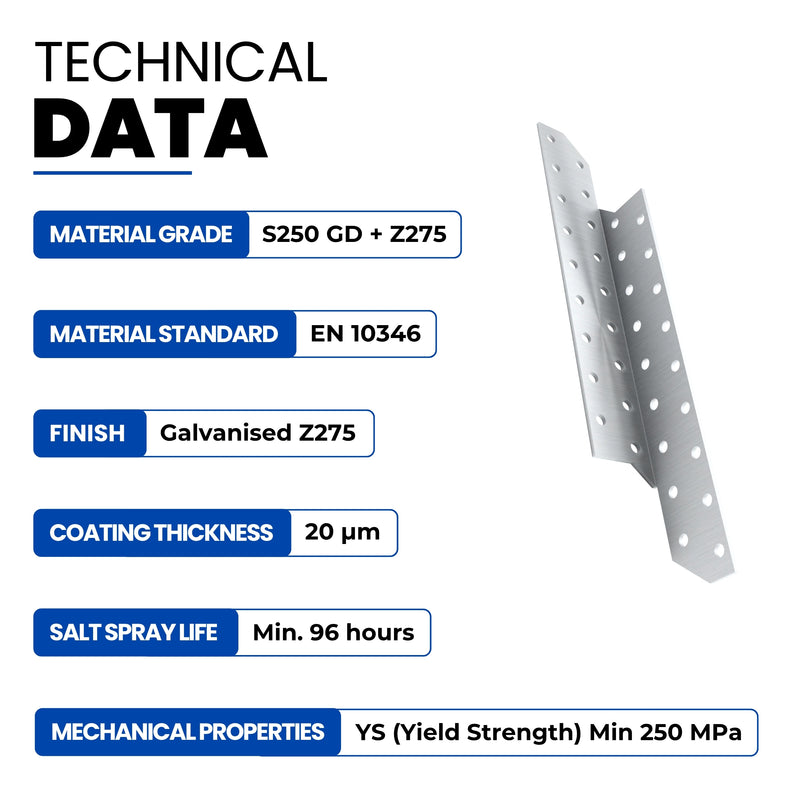
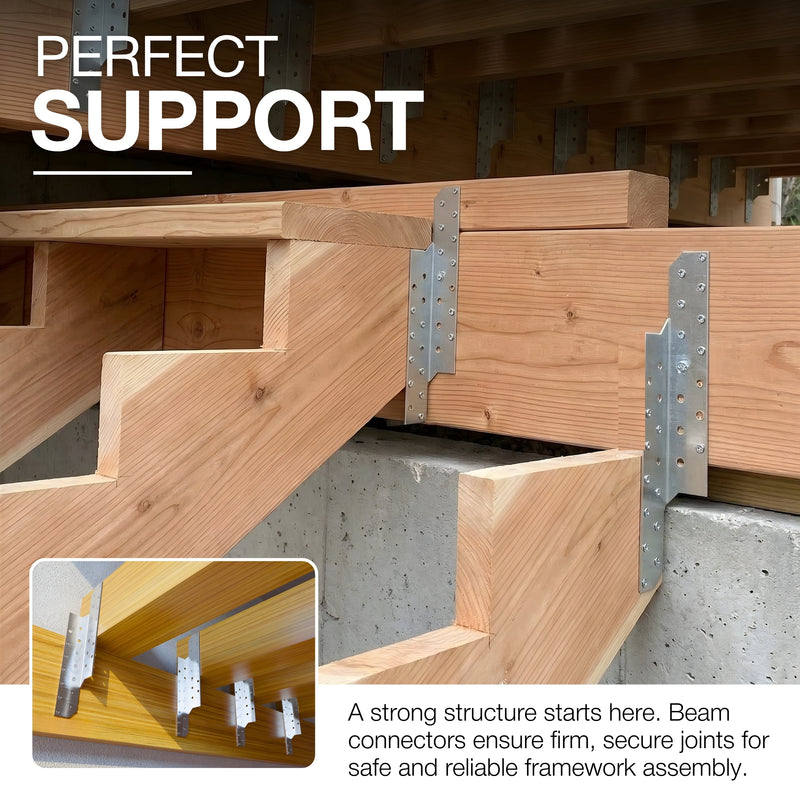
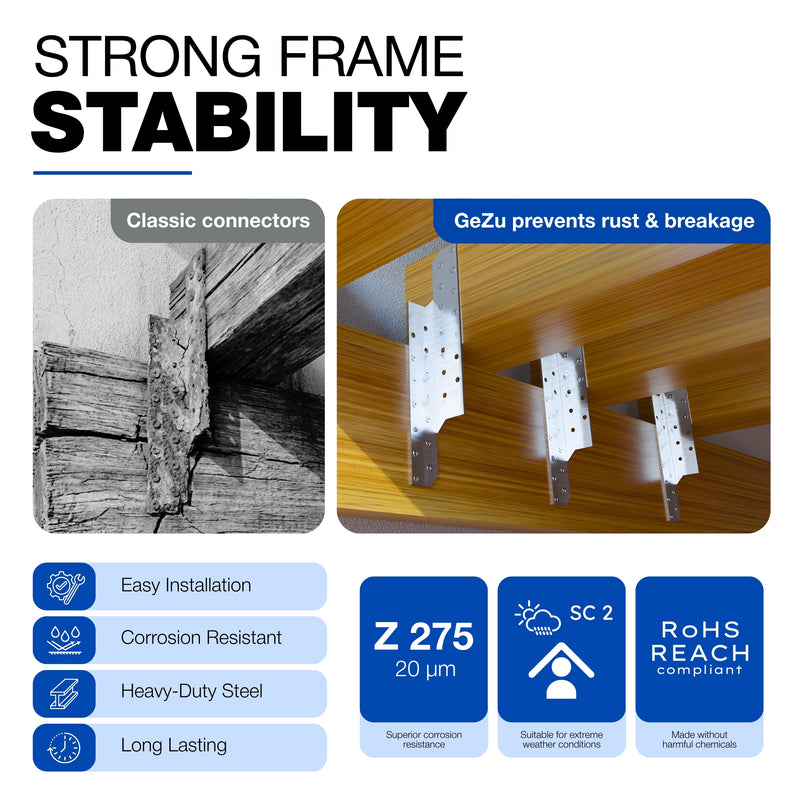
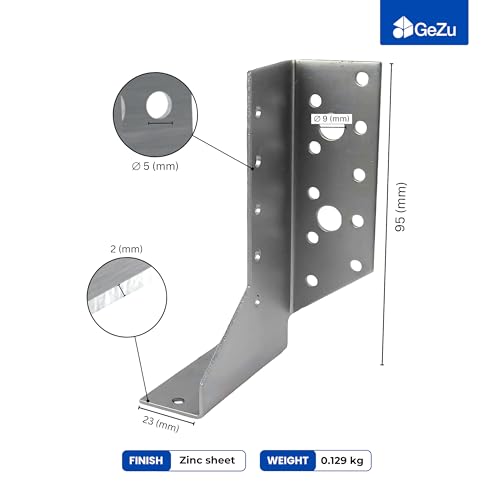
Metal fence post spike is the best way to protect fence posts from rotting. It eliminates one of the biggest causes of rot by keeping the wood completely above ground level. Since the post no longer touches soil, it is no longer exposed to constant ground moisture. This method also makes replacement easier because you can remove and swap posts without digging or disturbing the surrounding structure. It is one of the most durable long-term solutions, especially for homeowners who want minimal maintenance. As the wooden post stays above ground, it reduces the 80% chances of rot.

2. Apply Fence Post Rot Protector Wraps
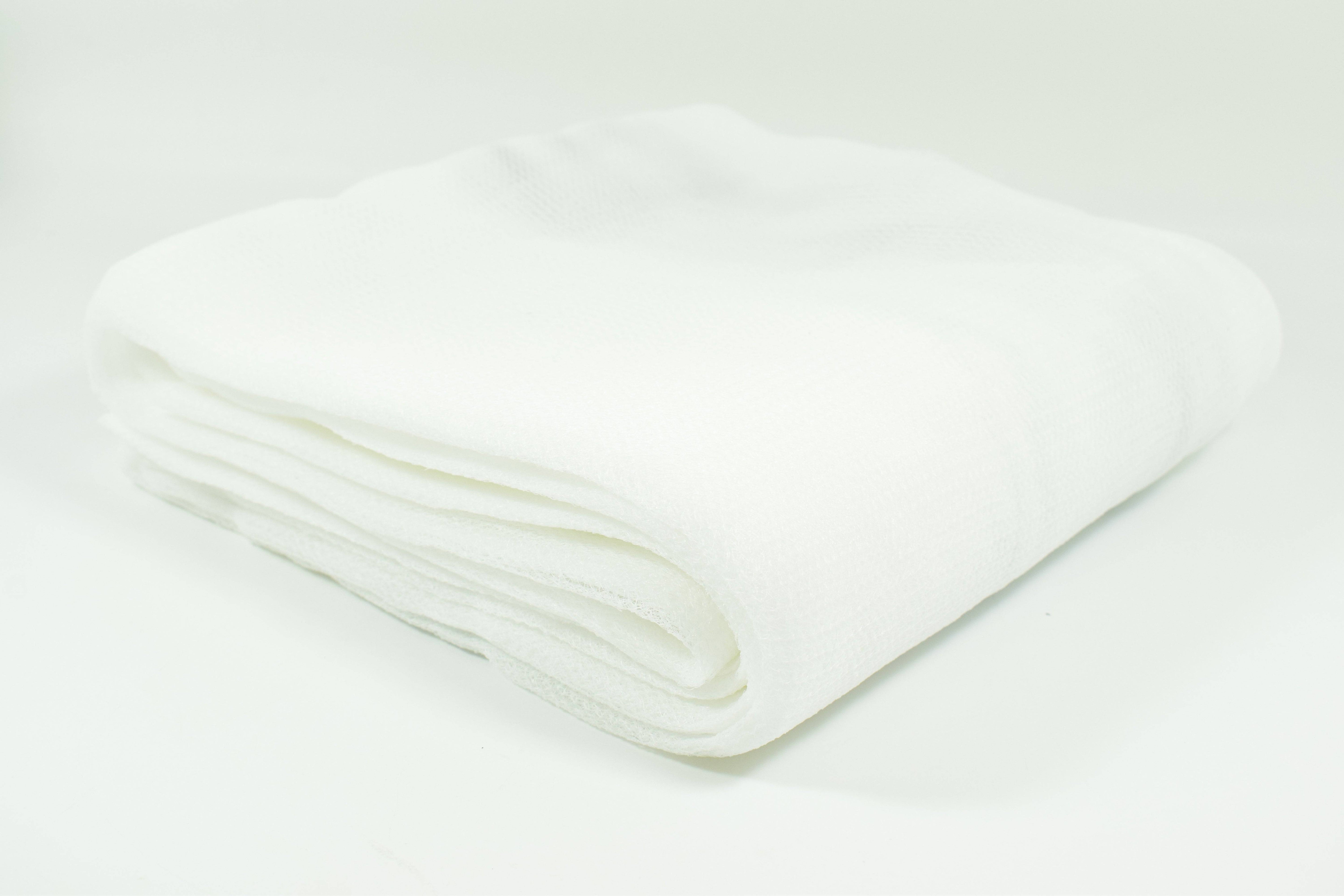
Post rot protector wrap is an effective way to prevent moisture from reaching the most vulnerable part of a fence post. These wraps are usually made from waterproof bitumen or durable plastic materials and are applied around the section of the post that sits in or just below ground level. By forming a tight seal, they block out soil moisture, oxygen, and fungi. But as the post stays in the ground, it will rot eventually after some time. You can use it as a good secondary option. The best solution to protect fence posts from rotting is to use a fence post spike.

3. Use Pressure-Treated Wooden Posts
Pressure-treated wood is the first line of defense against rot because it is designed to resist moisture, insects and fungal growth. The treatment penetrates deep into the wood fibers, slowing down decay even when the post is buried in damp soil. If you are installing a new fence, this is not optional. It’s the foundation of long-term durability. Cedar, redwood, and cypress resist decay naturally, but pressure-treated wood adds extra protection against rot.

4. Apply Wood Preservatives
Even pressure-treated posts benefit from additional protection. Wood preservatives act as a second barrier that reduces moisture absorption and strengthens resistance to decay over time. Oil-based preservatives tend to soak deeper into the wood and last longer, while water-based options are easier to apply and more environmentally friendly. The most important detail is timing. Treat the post before installation and concentrate heavily on the lower section that will sit underground, since that is where rot always begins.

5. Seal the Base of the Post
The base of the post is the most vulnerable area because it sits in constant contact with soil moisture. Sealing this section prevents water from being absorbed directly into the wood fibers. Bitumen coatings and specialized end-grain sealers are particularly effective because they form a waterproof barrier that blocks both moisture and fungal penetration. Without this step, even treated wood will eventually start to break down at ground level.

6. Install Posts with Gravel for Drainage
One of the simplest but most effective ways to prevent rot is to improve drainage at the base of the post. When water collects in the hole, the wood remains constantly damp, which accelerates decay. Adding a layer of gravel at the bottom when installing fence posts allows water to drain away rather than pool around the post. Over time, this small adjustment dramatically reduces long-term moisture exposure and helps the post stay dry where it matters most.

Protect Above-Ground Sections of Fence Posts
Fence posts don't just rot from the ground. Sun, rain and climate cycles attack the wood above ground, too. So, you also need to protect fence posts from rotting above ground level. Below are a few preservative measures you can take to protect wooden fence posts from rotting.
1. Install Fence Post Caps
Rainwater naturally settles on post tops and slowly soaks into the wood. This leads to cracking and internal decay. A post cap solves this by redirecting water away from the surface and preventing absorption. Fence post caps not only provide an aesthetic finish but it protects one of the most exposed parts of the fence and significantly extend the lifespan of the post.

2. Stain or Seal the Wood
Above-ground sections are constantly exposed to sunlight and weather, both of which degrade wood over time. UV rays dry out the fibers, causing cracks that allow moisture to enter. Applying a high-quality exterior stain or water-repellent sealant helps maintain the wood’s integrity. This is not a one-time job. Reapplying every few years keeps the protection effective and prevents slow deterioration.

3. Prime Before Painting
If you are painting your fence, primer is essential because it improves adhesion and adds an extra moisture barrier. Without it, paint can peel quickly, exposing the wood underneath to water damage. Special attention should be given to vulnerable areas like end grain, joints, and the tops of posts, where moisture tends to enter first.

4. Redirect Irrigation Systems
One of the most overlooked causes of fence rot is constant water exposure from sprinklers. When irrigation systems spray directly onto fence posts, the wood never fully dries, which accelerates decay even in treated timber. Adjusting sprinkler direction so it avoids the fence line can reduce moisture damage without any cost beyond a small adjustment.

What Is the Solution for a Rotted Fence Post?
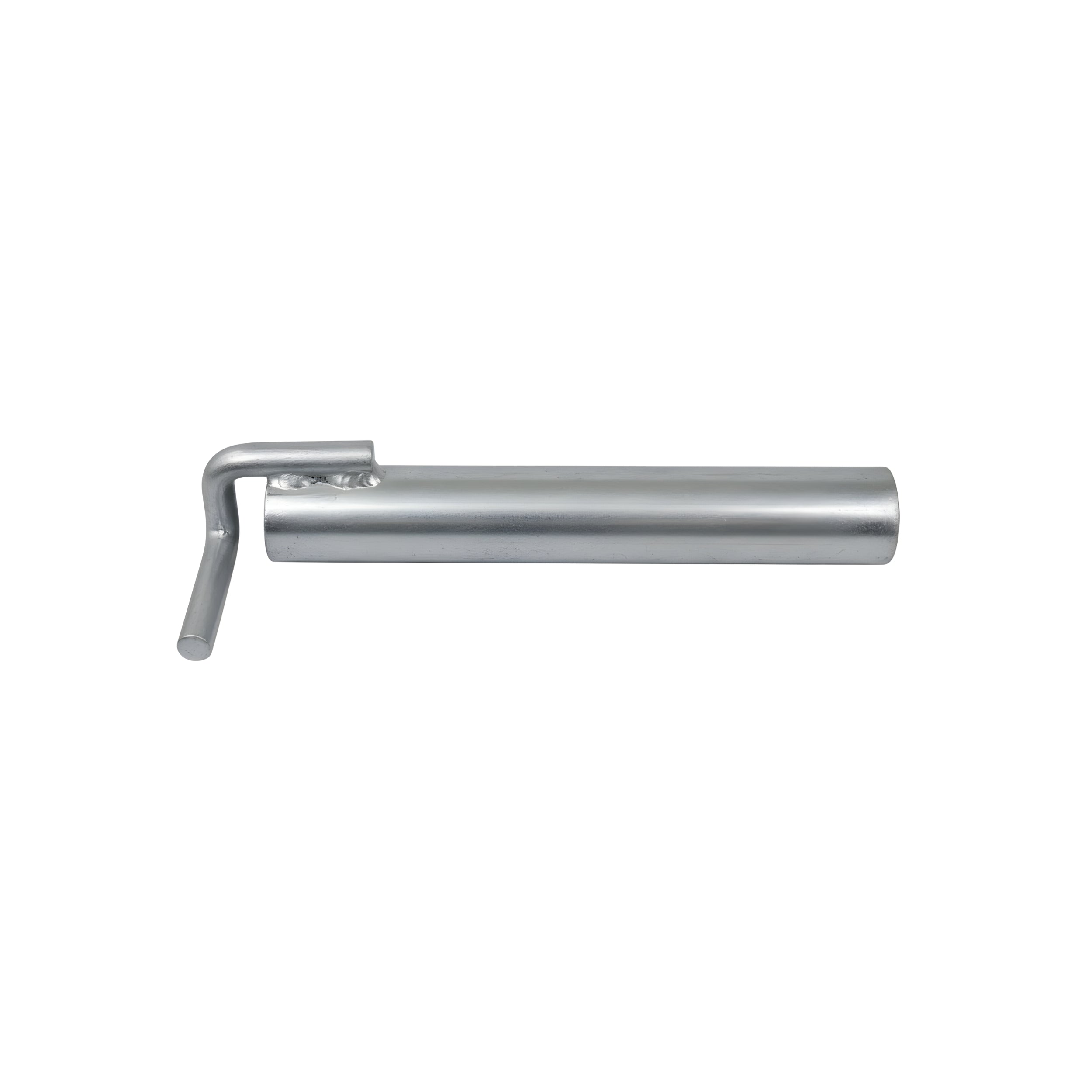
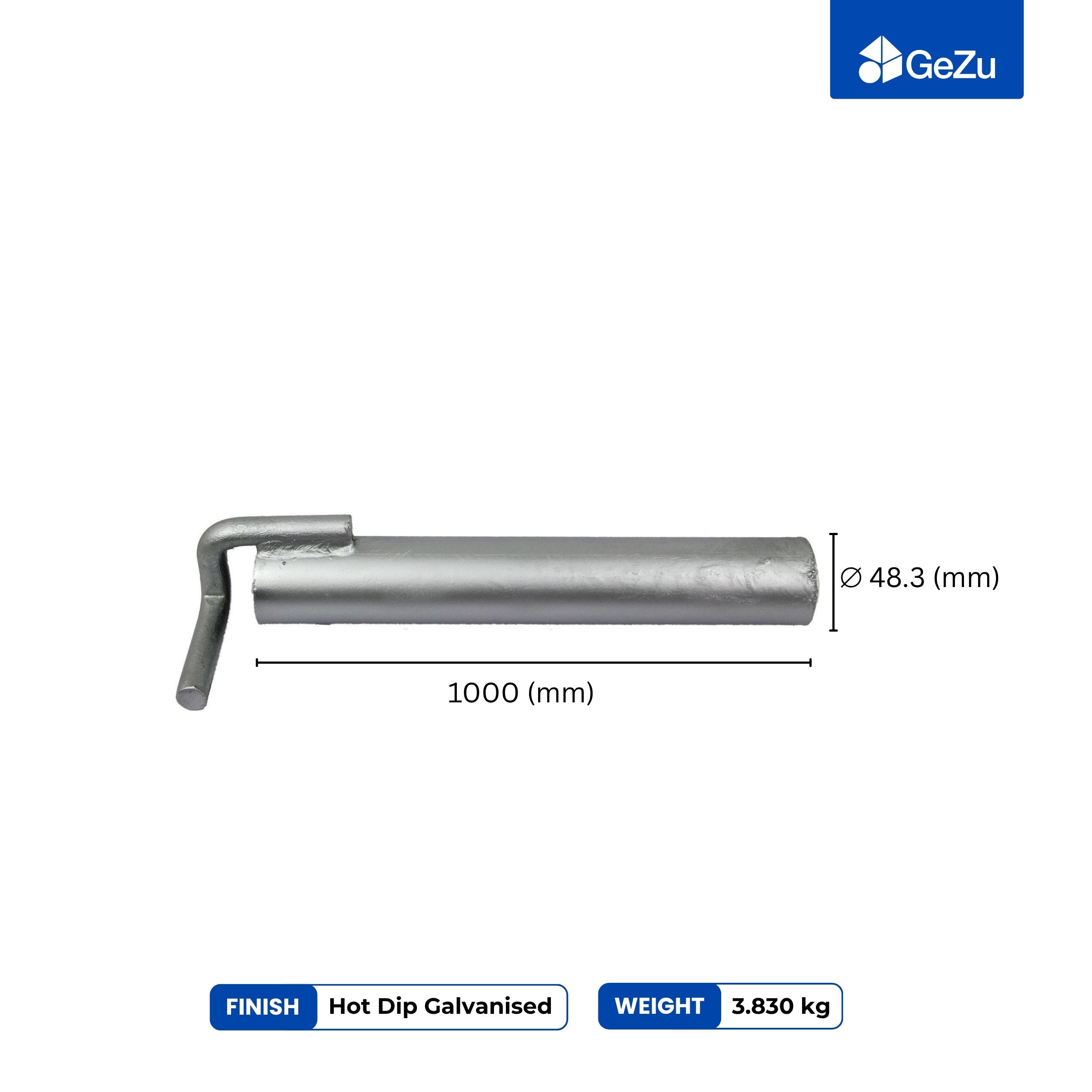
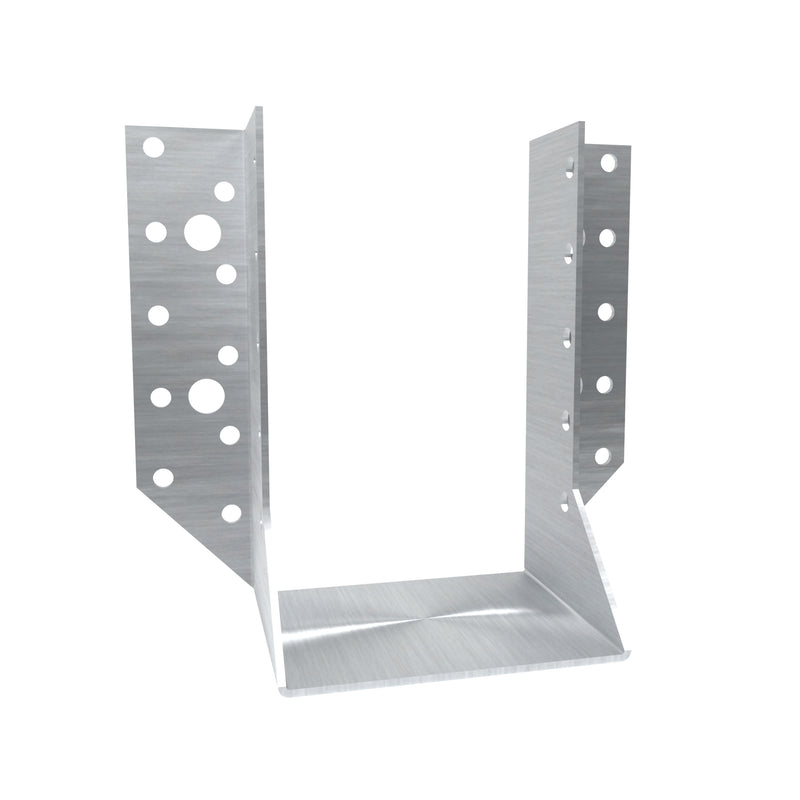
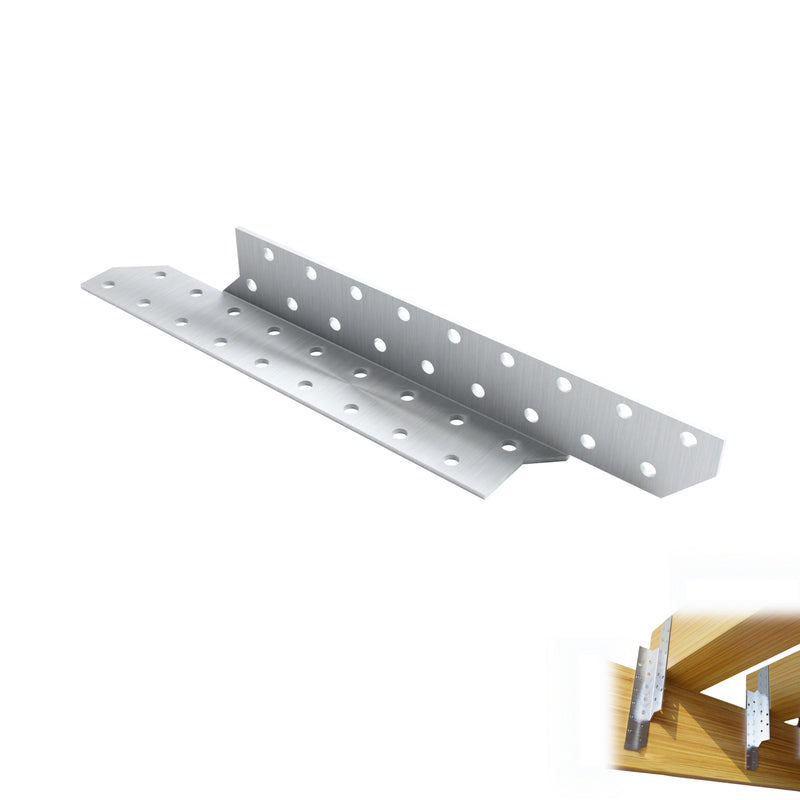
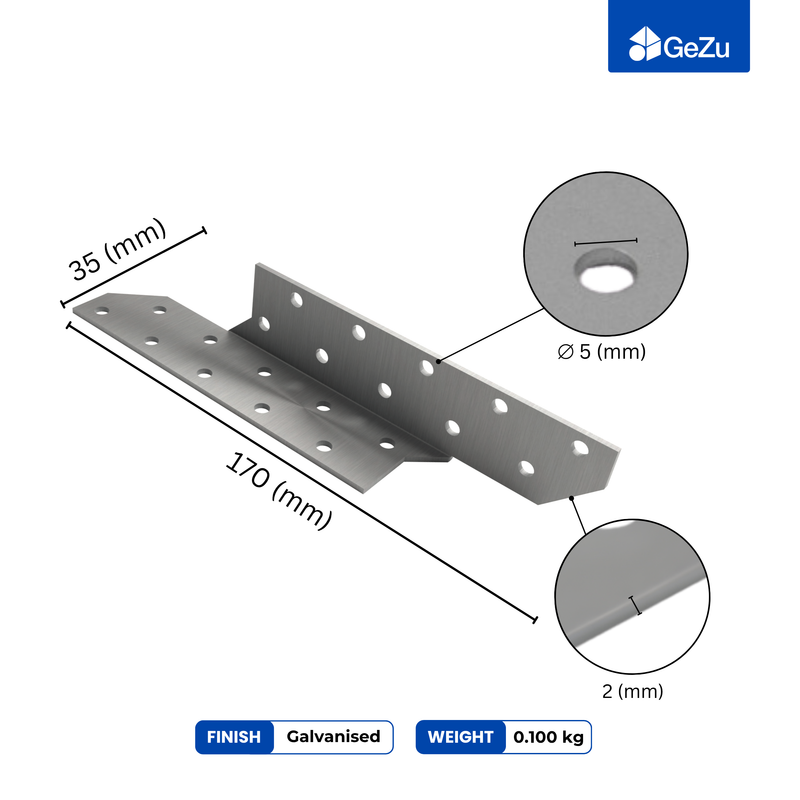
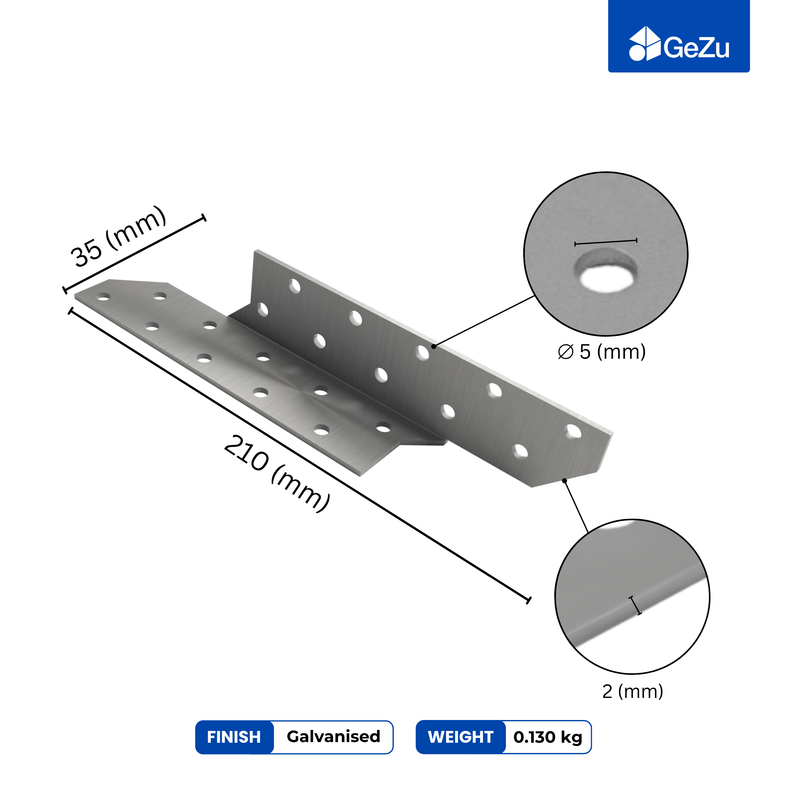
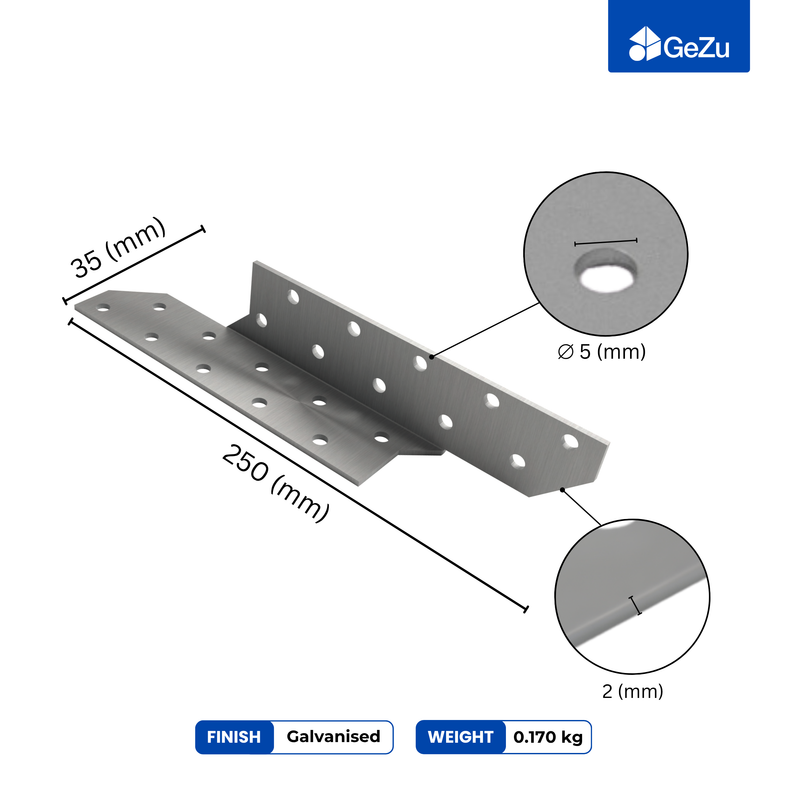
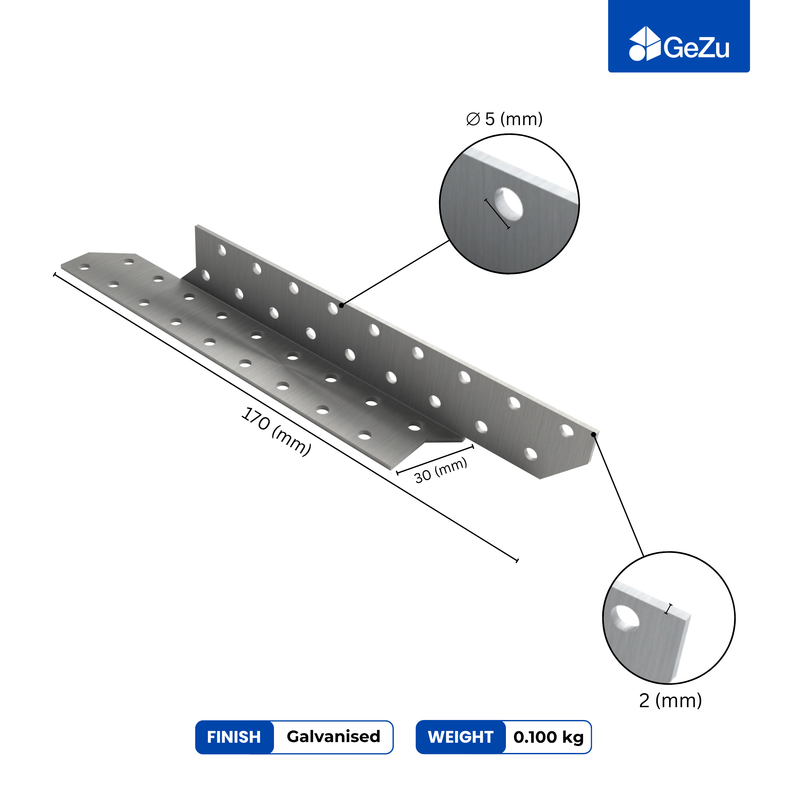
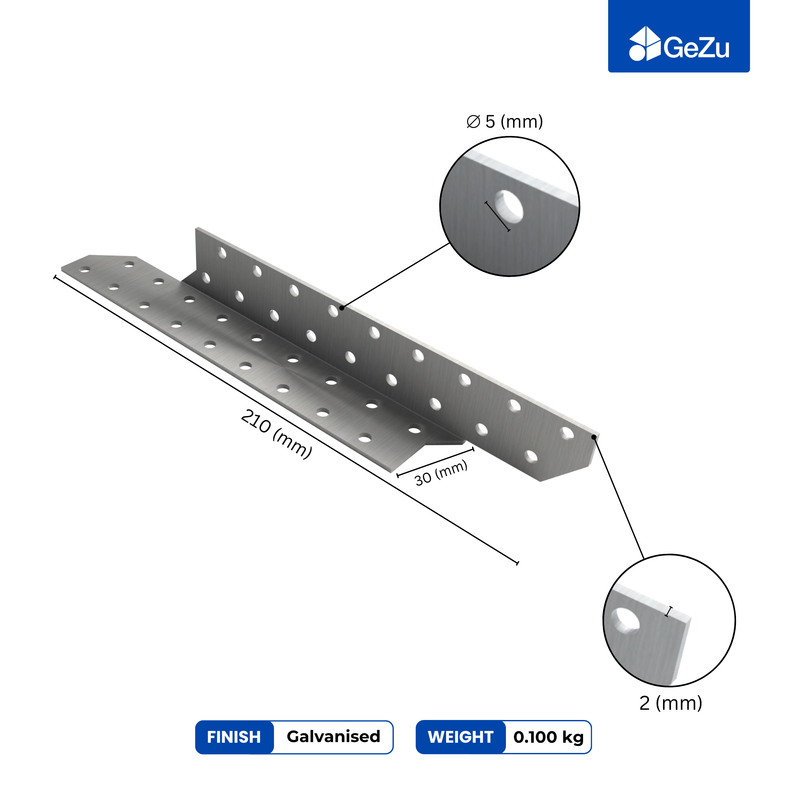
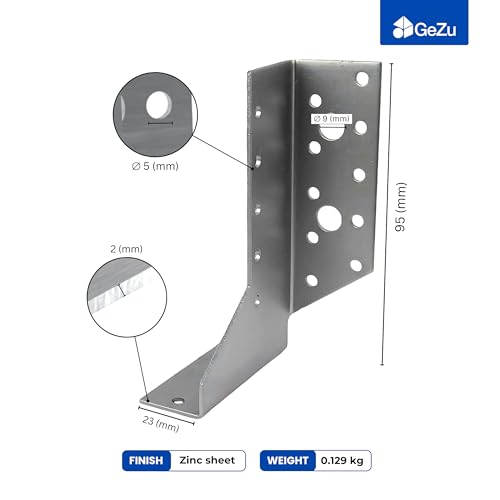
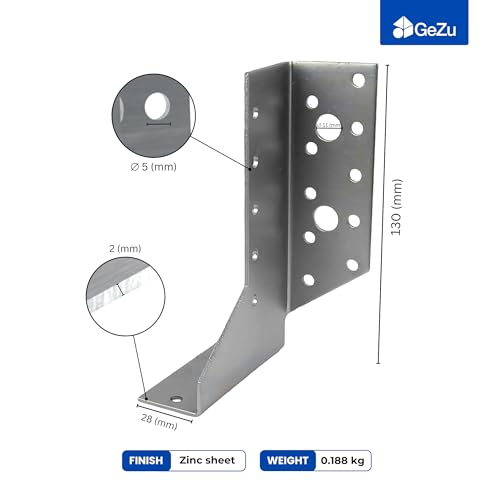
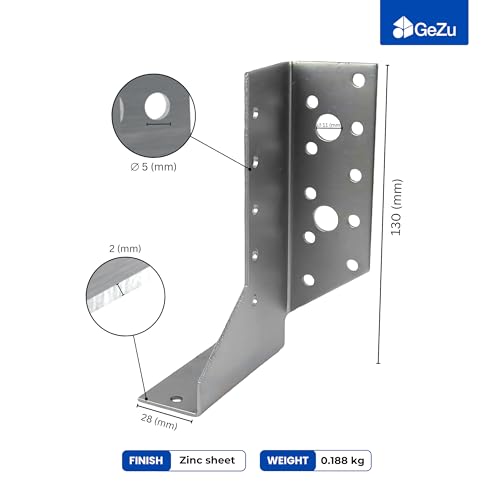
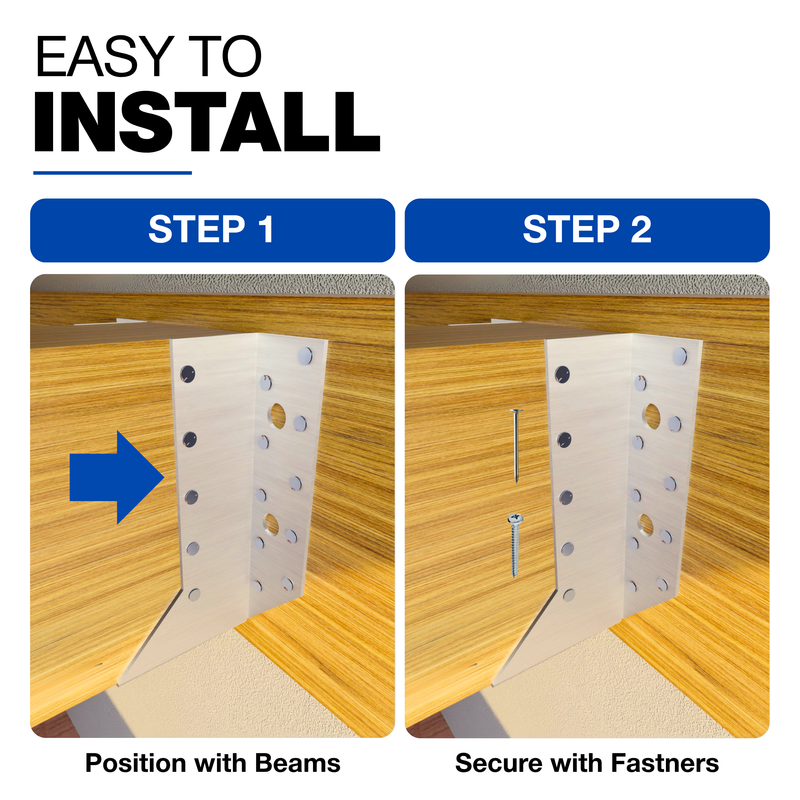
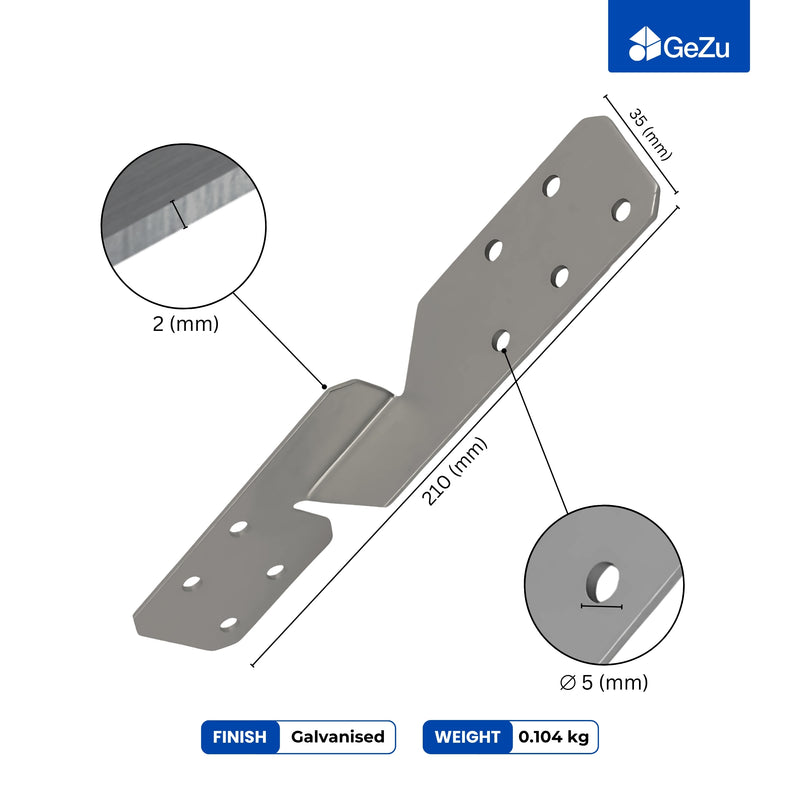
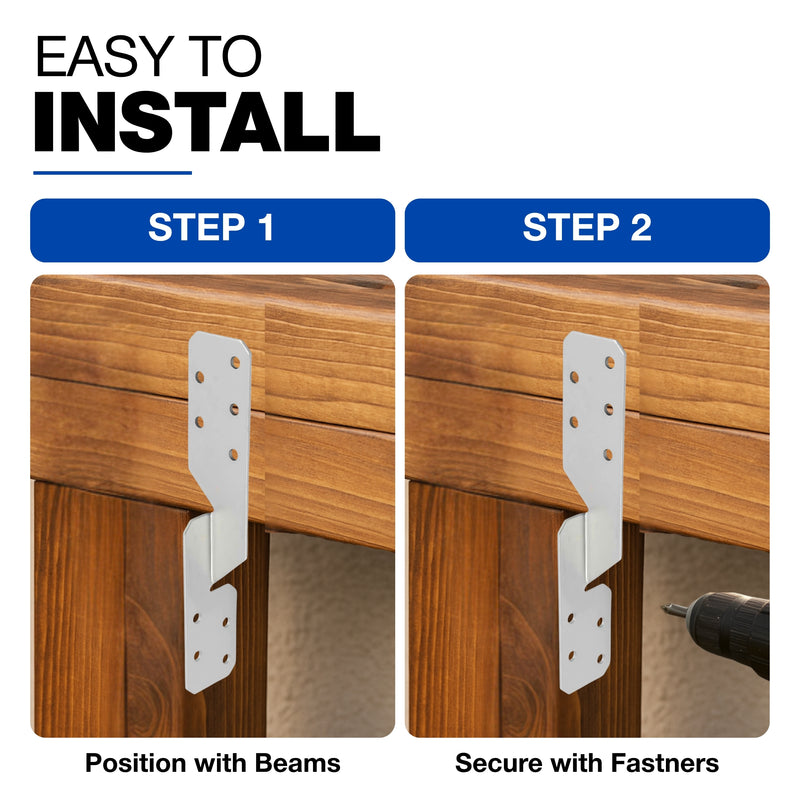
If rot has already started, replacement of the fence post is not always necessary. In many cases, a fence repair spur can be used to reinforce the existing post. This involves attaching a fence repair support next to the damaged section to restore stability and carry the load. It is a practical solution when the damage is caught early and can extend the life of the fence without requiring a full rebuild.
Final Thought: Protect Your Fence Posts from Rotting Before It’s Too Late!
Fence post rot is predictable, preventable and almost entirely avoidable when you understand what causes it. Protecting fence posts from rotting comes down to one key principle: keeping moisture away from the wood for as long as possible. Things like pressure-treated posts, sealants, gravel drainage, and even post wraps can definitely help slow the process down. But they do not completely remove the problem if the post is still sitting in the ground.
Soil moisture will always find a way in over time. That is why the most effective and long-lasting solution is to use metal fence post spikes or supports. When the wooden post is kept above ground level, it is no longer in constant contact with damp soil, which reduces the chances of rot starting in the first place. If you want a fence that lasts for decades and does not need constant repairs, this is the solution that makes the biggest difference.